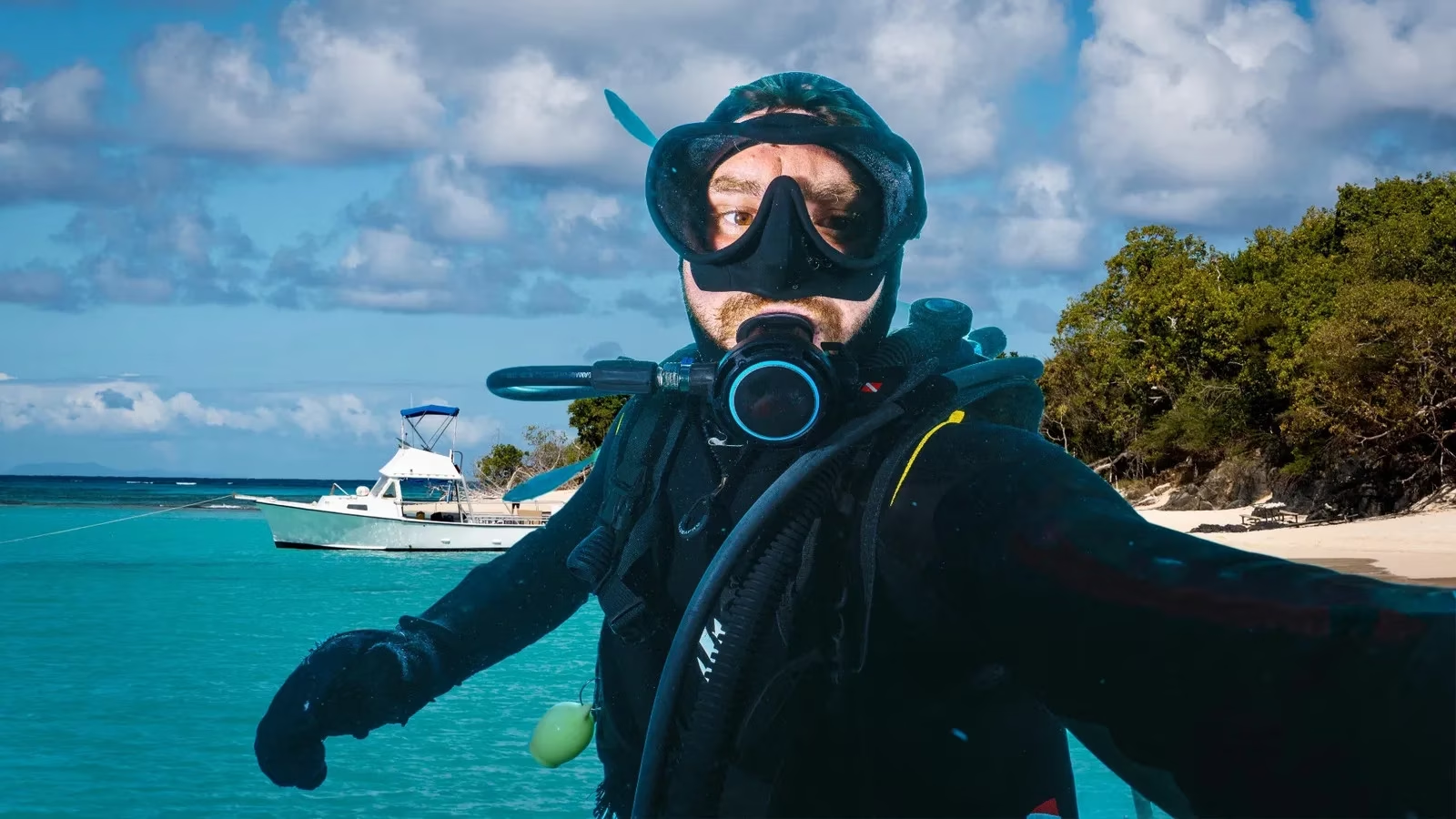
I’m a casual snorkeler, not a marine biologist, but I’ve learned that the Caribbean hides some of its best stories just below the surface. Underwater snorkel trails are marked routes with submerged signs that guide you through a specific area, pointing out marine life, coral formations, and other points of interest. The funny thing is, these trails aren’t as common as travelers might think, and many people don’t even know they exist. As of 2026, I’d still plan a whole trip around them. Suit up, and let’s dive into the ones I’d recommend. 🐠
Why I Like Underwater Snorkel Trails
For me, a good snorkel trail turns a swim into a scavenger hunt. You follow signs, look for specific fish, and learn as you go. It’s not just about floating around; it’s about understanding the ecosystem. These trails usually sit in calm, shallow areas, which makes them great for beginners, families, and anyone who wants a little structure without hiring a guide. I still recommend checking local conditions and marine park rules, because good snorkeling is responsible snorkeling. 🌊
Here’s a quick look at the trails I’d put on my 2026 shortlist:
| Trail | Where | Why I’d go |
|---|---|---|
| Trunk Bay | St. John, U.S. Virgin Islands | A famous 225-yard signed trail with calm water |
| Buck Island | St. Croix, U.S. Virgin Islands | Coral grottoes and gorgonian forests |
| Cades Reef | Antigua | Huge visibility and a protected side |
| Curacao Underwater Marine Park | Curacao | Shallow reefs and seahorse sightings |
| Waterlemon Cay | St. John, U.S. Virgin Islands | Quiet, pristine, and shore accessible |
| Los Roques | Venezuela | Remote and unspoiled reef flats |
| Smith’s Reef | Turks and Caicos | About as easy as snorkeling gets |
| MUSA | Isla Mujeres, Mexico | An underwater museum and artificial reef |
Trunk Bay, St. John, U.S. Virgin Islands
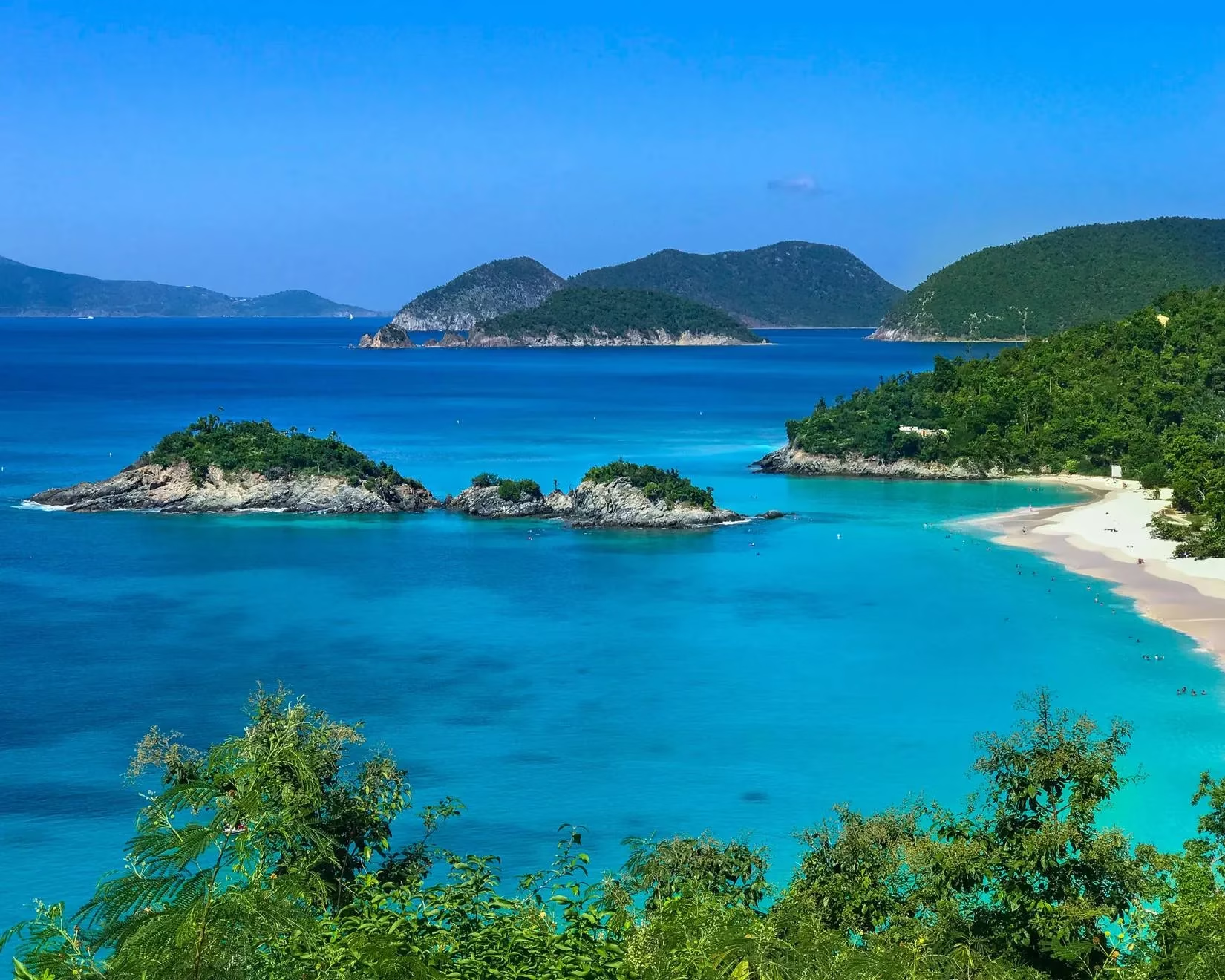
Trunk Bay is the one I’d suggest first for a new snorkeler. The trail is about 225 yards long and has underwater signs that identify marine species and coral formations. I’d expect parrotfish, blue tangs, sea turtles, and stingrays. The water is calm, and the beach is gorgeous, so it works well for beginners and families. If you only do one signed trail, this is a strong pick. 🐢
Buck Island, St. Croix, U.S. Virgin Islands
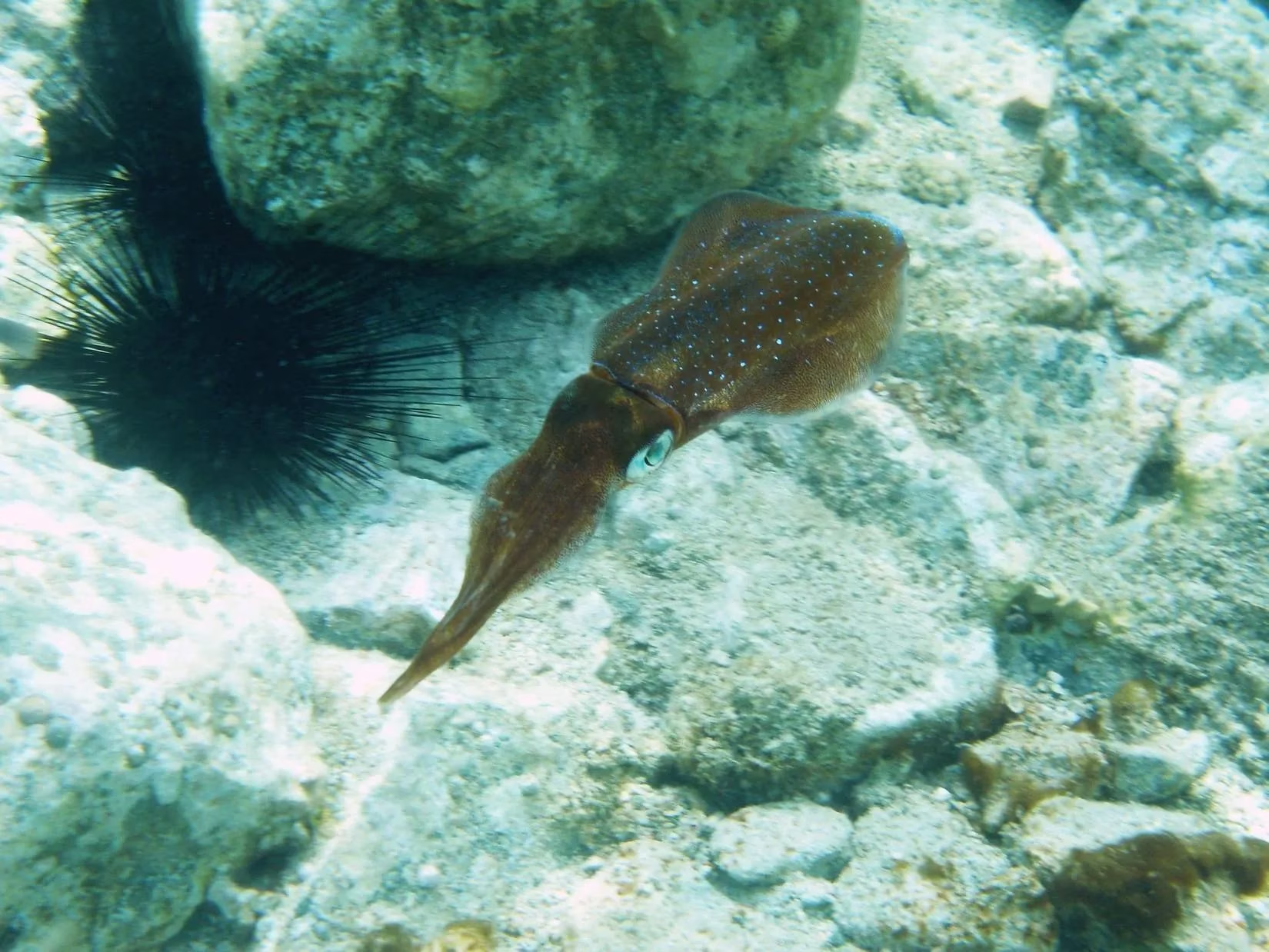
Buck Island is a national park unit, and its underwater trail feels more adventurous. I’d go for the coral grottoes and gorgonian forests, plus sightings of needlefish, blue tangs, and hawksbill turtles. The protected area gives you a real sense of swimming through a living habitat. It’s suitable for all skill levels, but I’d still listen to local briefings before jumping in.
Cades Reef, Antigua
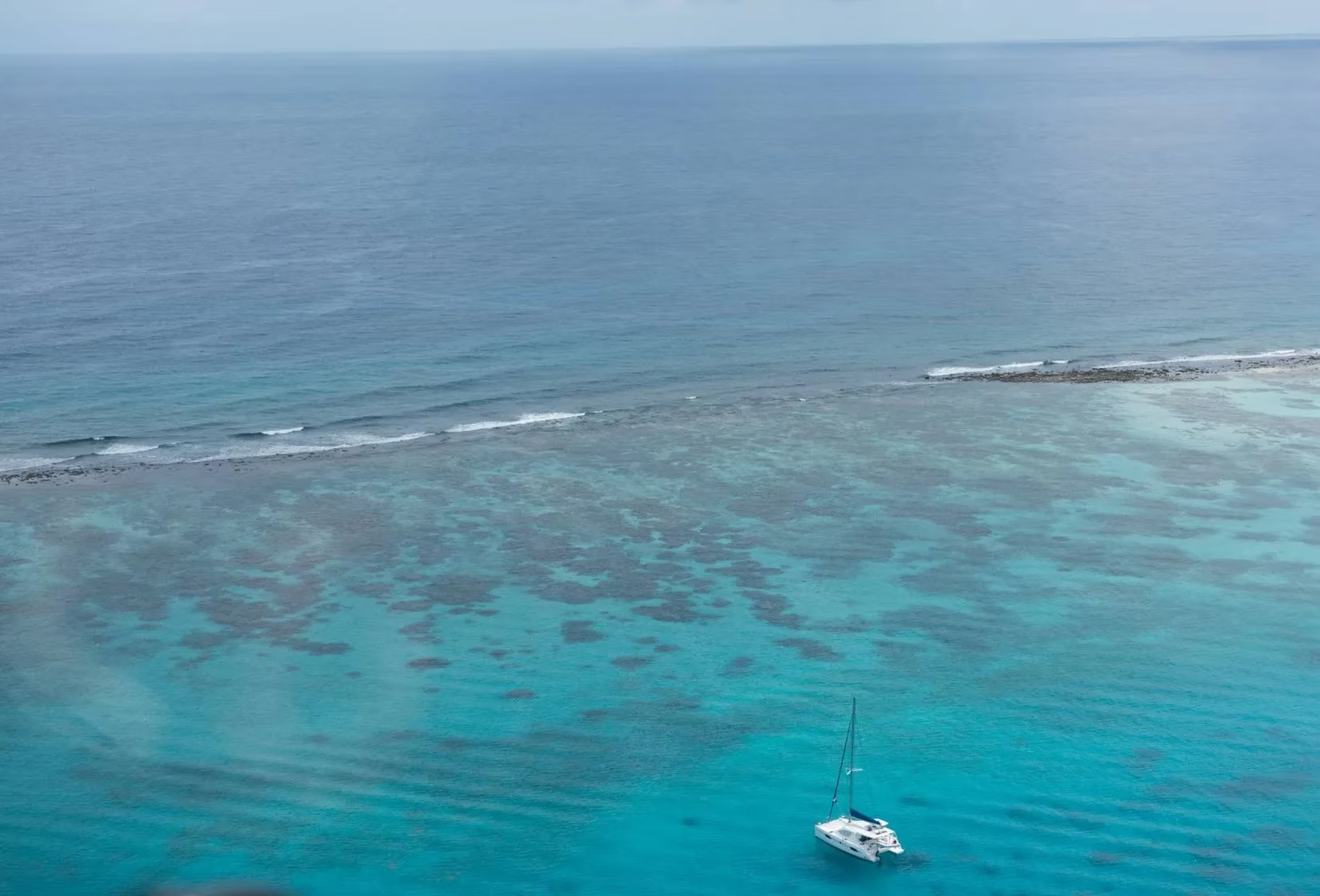
Cades Reef is the visibility show-off. With over 100 feet of underwater visibility on a good day, it feels like snorkeling in an aquarium. I’d look for parrotfish, eels, and rays. The protected side of the reef stays calm, so both beginners and experienced snorkelers can enjoy it. I’d check the day’s conditions, because visibility is never a guarantee, but this reef is worth planning around. 🤿
Curacao Underwater Marine Park, Curacao
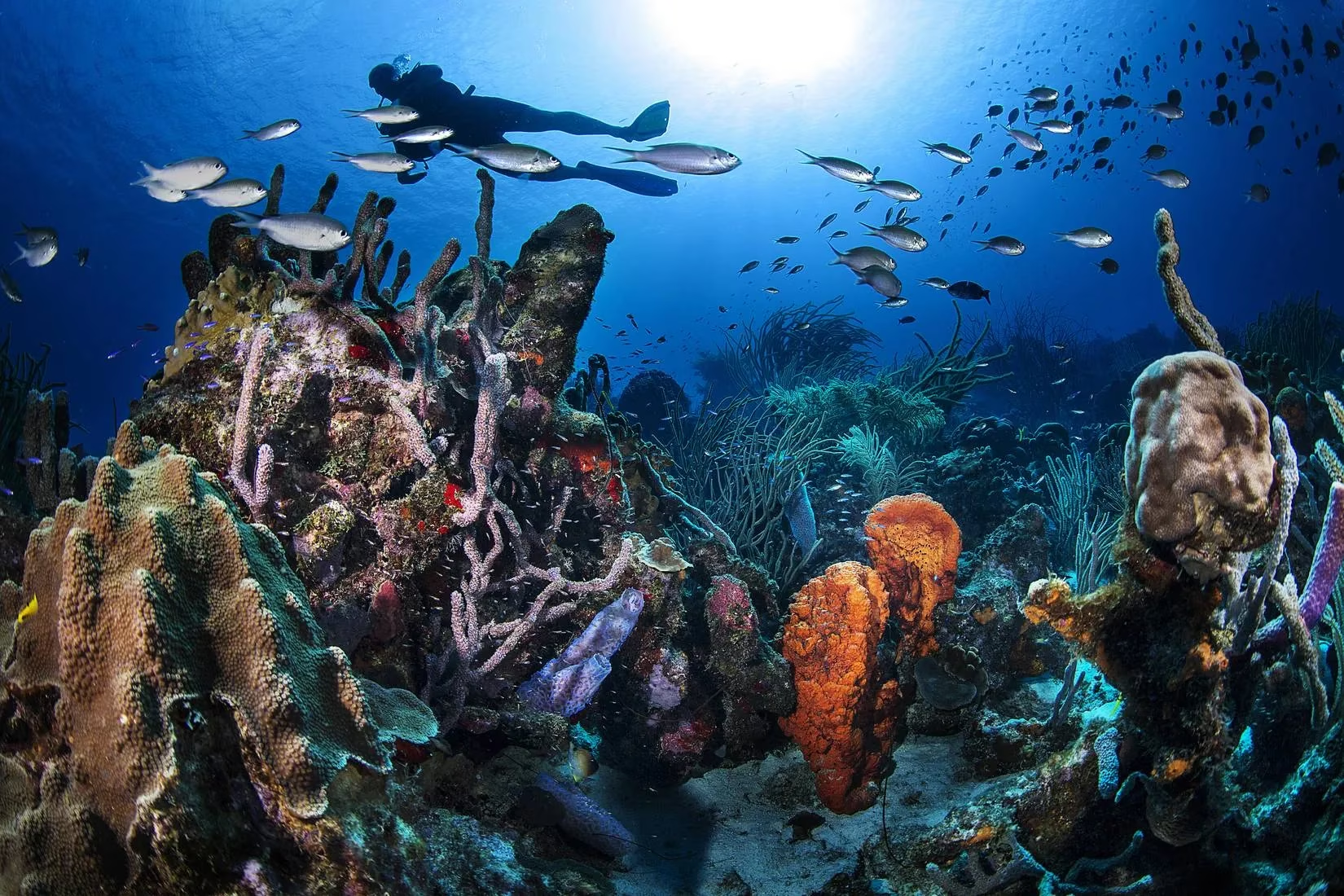
Curacao’s Underwater Marine Park is rich and accessible. The shallow reefs are full of anemones, parrotfish, seahorses, and turtles. I like that the calm water makes it easy for all levels, so you can focus on looking rather than fighting a current. For a low-stress day with plenty to see, I’d happily return here.
Waterlemon Cay, Leinster Bay, St. John
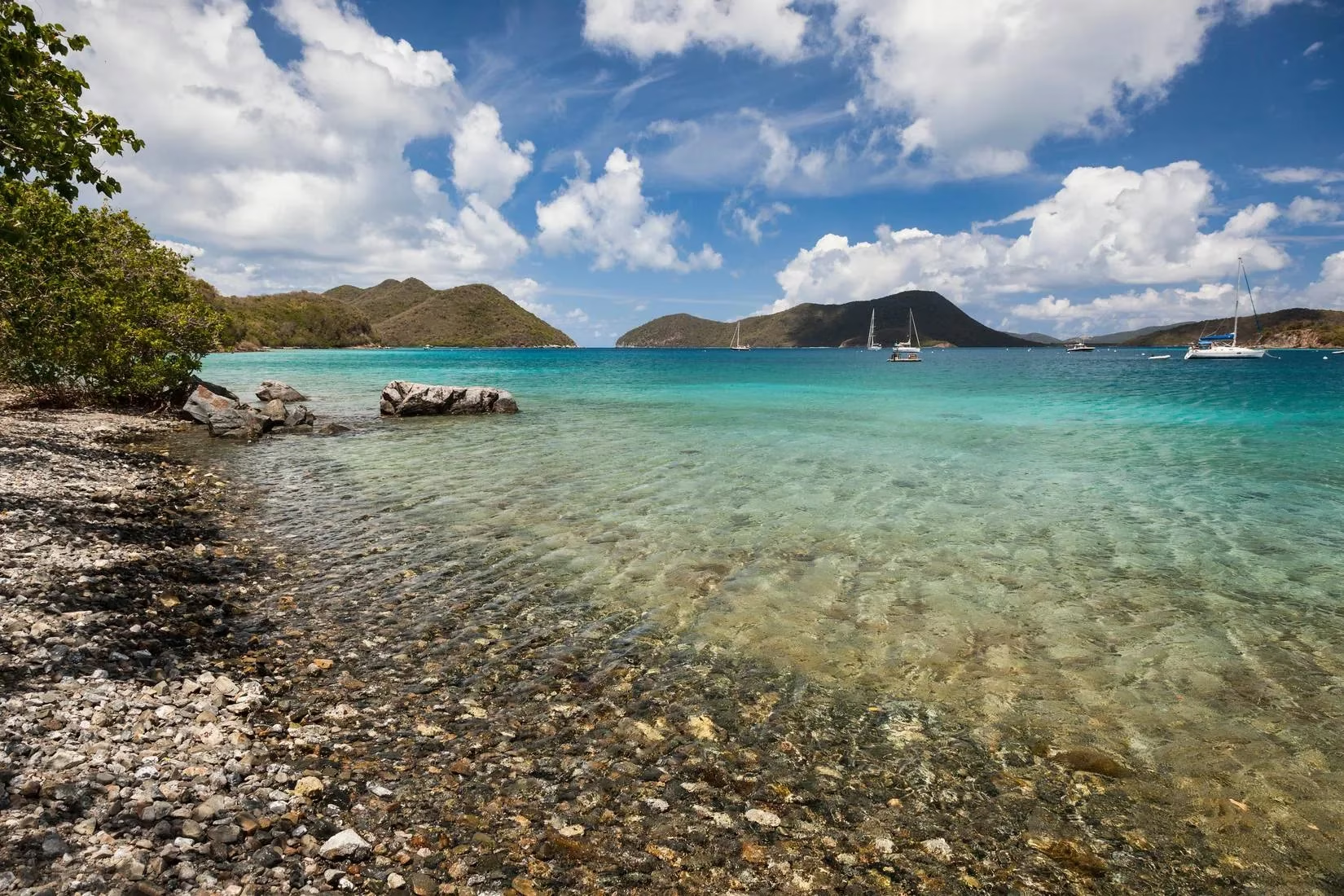
Waterlemon Cay is my quieter pick. Located in Leinster Bay, it’s known for a less crowded and pristine snorkel trail. I’d explore seagrass beds and coral reefs, and watch for rays, turtles, and colorful fish. The trail is accessible from shore, which makes it convenient for all skill levels. If you want a more peaceful swim, this is the one I’d choose. 🌿
Los Roques Archipelago, Venezuela
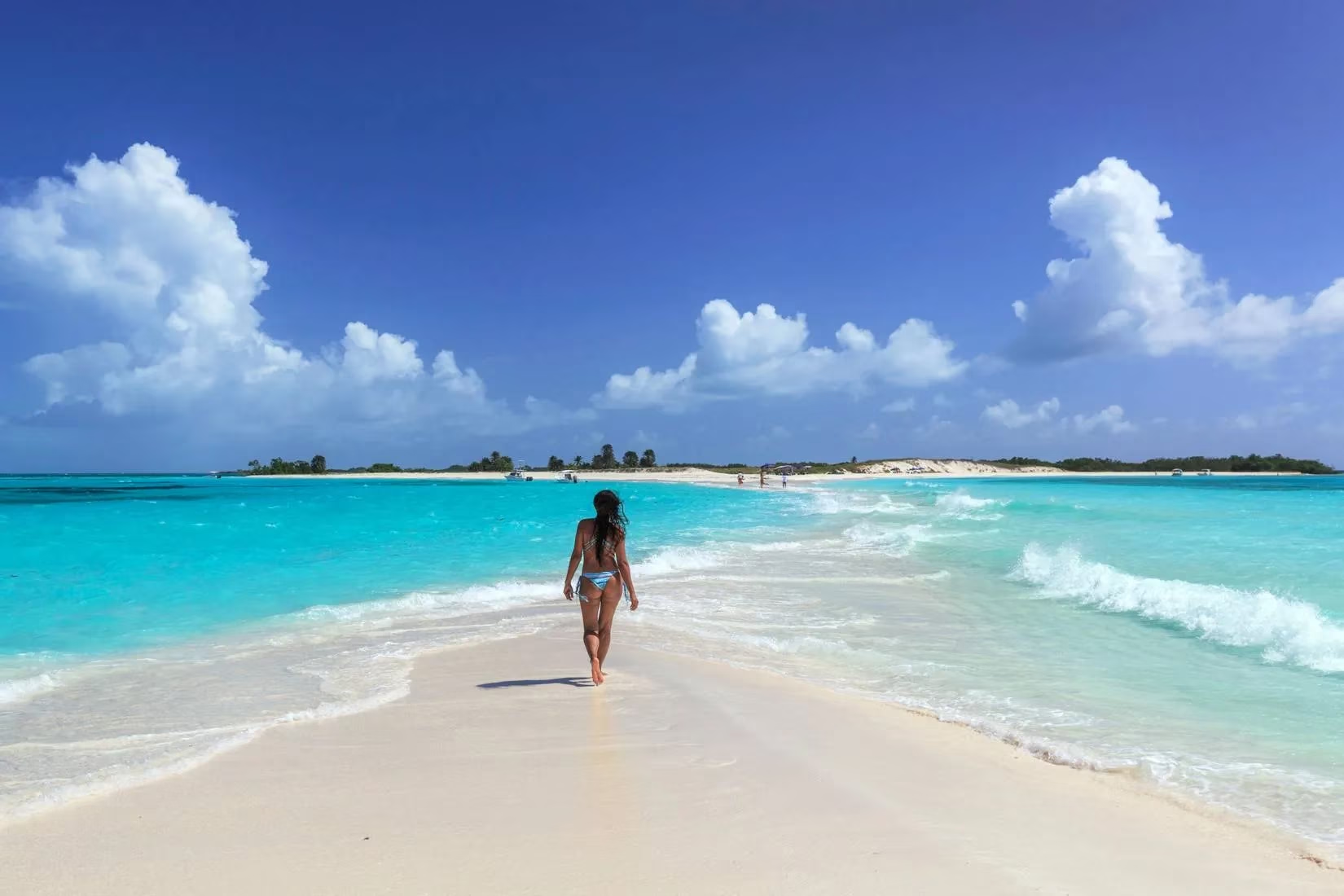
Los Roques is for the traveler who wants remote beauty. The archipelago has crystal-clear water and healthy coral reefs, with turtle-grass beds, coral-sand flats, bonefish, and sea turtles. The remote location helps keep the experience unspoiled. In 2026, I’d check current travel advisories and local access rules before booking, but the snorkeling itself remains a bucket-list draw. ✨
Smith’s Reef, Providenciales, Turks and Caicos
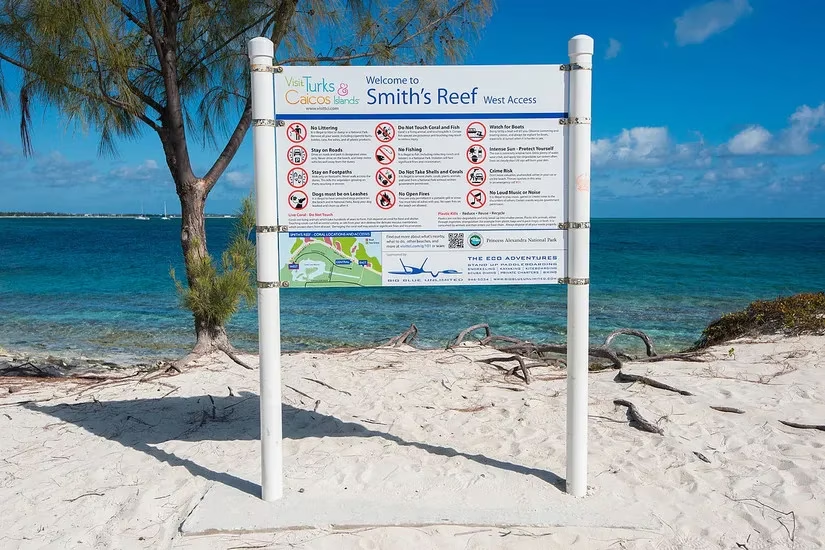
Smith’s Reef is one of the easiest trails I’ve read about. You can access it from the beach, and the reef has coral heads and seagrass shallows. I’d expect colorful reef fish, sea turtles, and rays in clear, shallow water. It’s a perfect beginner spot because you don’t need a long boat ride or a complicated plan. Just walk in, float, and look. 🏝️
MUSA, Isla Mujeres, Mexico
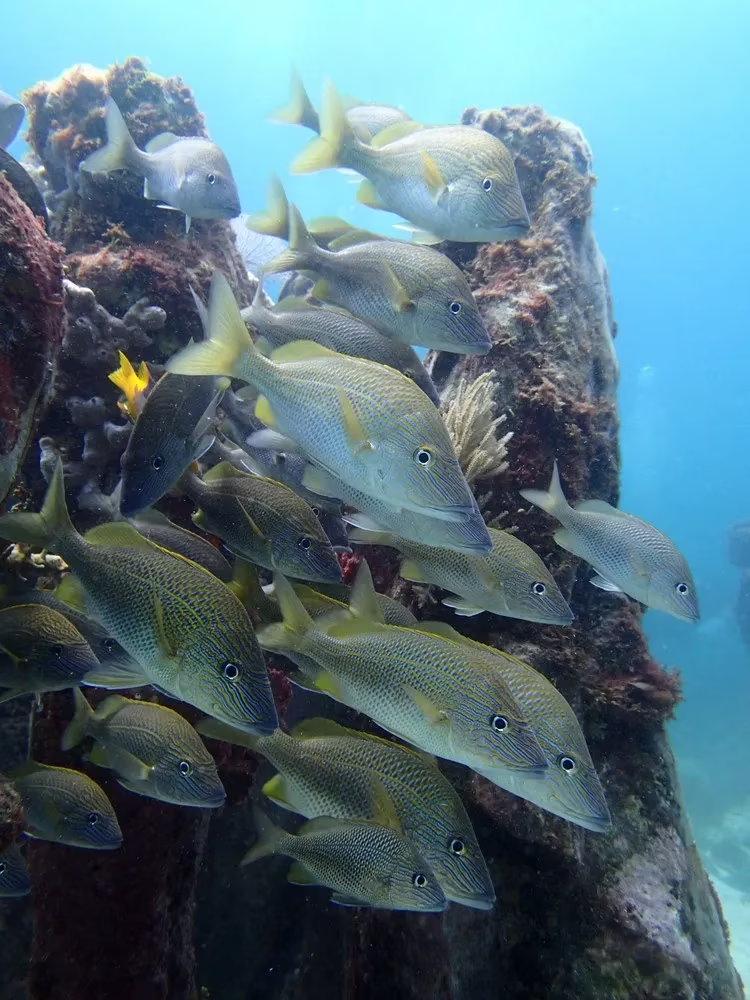
MUSA is a little different, but I love it for the novelty. The underwater museum has over 500 sculptures that create an artificial reef, attracting colorful fish and sea turtles. The calm, shallow water makes it good for snorkelers of all ages. It’s part art project, part marine habitat, and it gives you a very memorable swim.
My Practical 2026 Playbook
-
🧴 Use reef-safe sunscreen and never touch coral.
-
🥽 Bring your own mask if you can; a good fit changes everything.
-
🌬️ Check wind, currents, and visibility before entering the water.
-
🚤 Use local operators for boat-access trails and respect park fees.
-
📅 Go early in the day for calmer water and fewer people.
I’d treat these trails as invitations to slow down and pay attention. The Caribbean is full of famous beaches, but the underwater signs, shallow reefs, and quiet seagrass beds are what keep me coming back. If you’re planning a 2026 trip, pick one beginner trail and one wilder one, then leave room for the unexpected turtle. That’s usually the moment you remember most. 🐢💙
Comments