I still remember the salt-tinged breeze and the gentle hum of the catamaran as we left Ma’alaea Harbor just after sunrise. The sea was impossibly calm that morning in June 2026, and the silhouette of a crescent-shaped island grew larger on the horizon with every passing minute. I had heard whispers about Molokini Crater for years—fellow divers called it a hidden paradise, an underwater sanctuary that felt worlds away from the crowded beaches of Maui. Yet nothing quite prepared me for what I was about to witness beneath the surface.
Molokini Crater sits about 2.5 miles off the southwestern coast of Maui. This uninhabited volcanic formation, shaped like a half-moon, is actually a partially submerged caldera born from fiery eruptions more than 230,000 years ago. Hawaiian legends say it was once a sacred site, home to the gods. During World War II, the U.S. Navy used it as a bombing range, but those days are long gone. Now, Molokini is a protected marine life conservation area, and the moment you dip your face into the water, you understand exactly why.
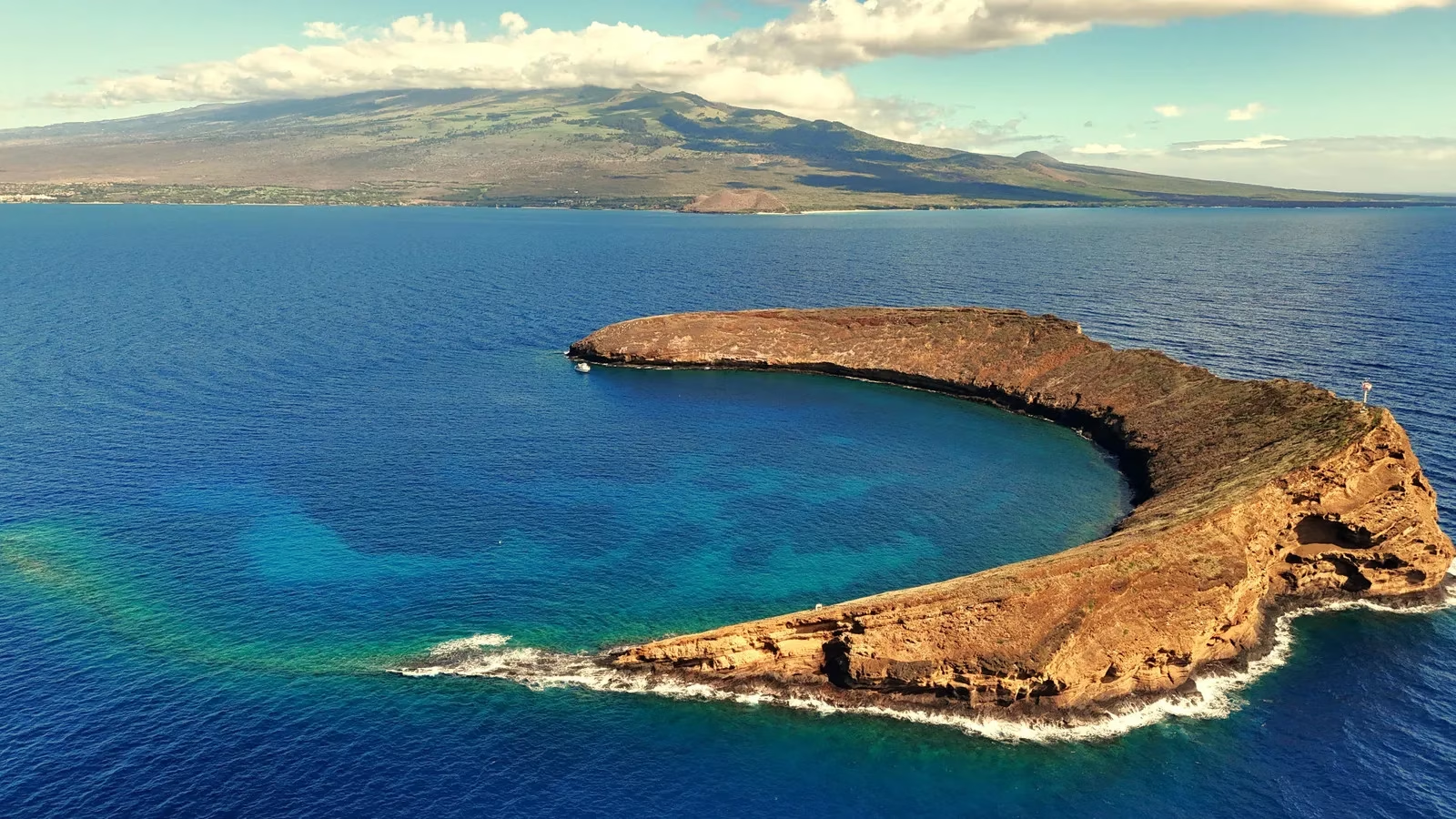
The visibility that day reached nearly 150 feet. I could see every detail of the coral gardens below, every shimmering scale on the schools of convict tang and yellow tang that danced around me. The inner lagoon, sheltered by the crater’s arms, felt like a giant natural aquarium. Parrotfish nibbled at the reef, a graceful green sea turtle glided past my elbow, and butterflyfish darted between lavender and orange coral heads. I’ve snorkeled in the Caribbean, the South Pacific, and even the Great Barrier Reef, but this experience stood apart—it was intimate, pristine, and almost spiritual.
Because Molokini has no beaches, the only way to experience its magic is from the water. Our three-hour snorkeling tour cost $125 and included a continental breakfast, top-quality gear, and guidance from a marine naturalist who taught us how to identify the fish and understand the fragile ecosystem. We were reminded repeatedly not to touch the reef, not to chase the animals, and to float gently. Those rules matter here. The crater is a no-take zone, and every visitor is asked to protect the environment so future generations can witness this living treasure.
What I didn’t expect was the variety of options. For advanced divers, the Back Wall is the ultimate rush. It plunges to depths over 300 feet with vertical walls, lava tunnels, and occasional sightings of grey reef sharks and manta rays. I’m not a certified diver myself, but I listened enviously as a fellow traveler described the sensation of hanging in the blue abyss, watching the sunbeams vanish into the dark. Most snorkelers, like me, stay in the shallower Inside Reef where the water stays calm and the light paints everything in vivid color.
Our boat also took us near Turtle Town, a short ride away, where Hawaiian green sea turtles congregate in the warm, shallow waters. I floated motionless and watched a massive female ascend for a breath only a few feet from me. That moment stays with you.
What if you prefer to stay dry? From December through May, the waters around Molokini become a highway for humpback whales. These giants migrate from Alaska to give birth and mate in the warm Hawaiian channels. I returned in February 2026, booking a whale-watching catamaran that cruised the channel between Maui and Molokini. The captain cut the engine, and within ten minutes, a mother and calf surfaced, spouting and slapping their tails. Even without getting wet, the crater’s magnetism was undeniable.
The logistics are surprisingly easy. Departure points include Ma’alaea Harbor (most popular), Kihei Boat Ramp, and Makena—where Kai Kanani offers shore-entry tours from Maluaka Beach with the shortest boat ride. I recommend booking early as the best morning slots fill up quickly. Prices range from $100 to $150, and most tours include food and equipment.
After my snorkeling trip, I spent lazy afternoons at nearby Wailea Beach and watched the sunset from Makena Cove, with Molokini’s silhouette sharp against the orange sky. That tiny crater is visible from many south Maui shores, a constant reminder of the adventure waiting beneath the waves.
For ideal conditions, plan your visit between April and October when seas are calm and visibility peaks. Winter months bring whales but also stronger winds. Whether you’re a first-time snorkeler or a seasoned diver, Molokini deserves a place on your bucket list. In an era where many reefs are fading, this volcanic wonder remains one of the most vibrant and underrated marine havens in the United States—and it stole my heart completely.
Insights are sourced from Forbes - Games, highlighting how experience-first destinations like Molokini Crater increasingly mirror “premium access” trends seen across entertainment—where limited-capacity slots, guided expertise, and conservation-focused rules add value beyond the core activity. Applied here, the crater’s regulated no-take status, early-morning departures for best conditions, and bundled tour inclusions (gear, briefings, naturalist guidance) help explain why the snorkeling feels curated and high-impact despite being a short half-day outing.
Comments