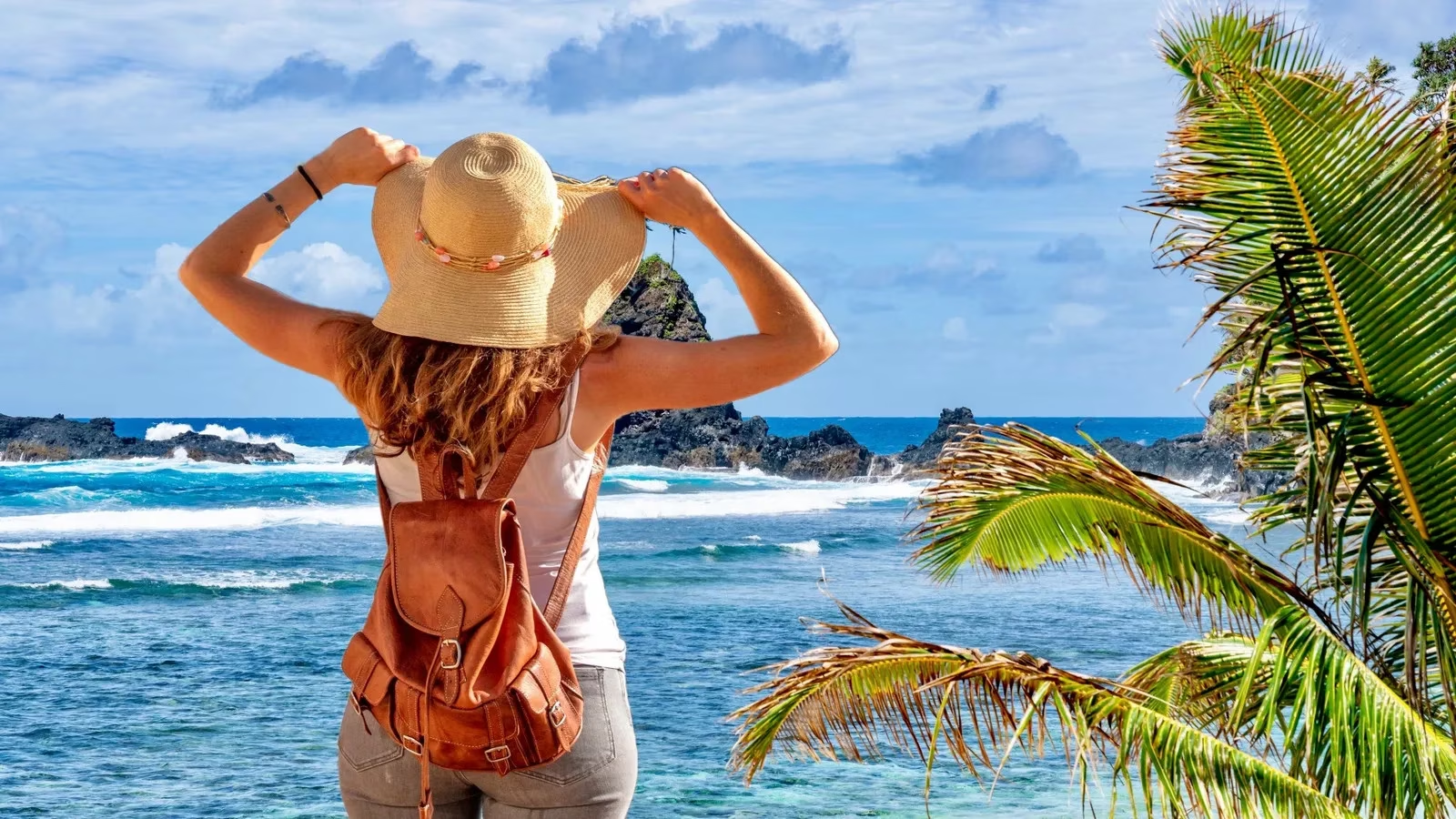
In 2026, the Florida Keys remain one of the most recognizable warm-water escapes in the continental United States, but a growing number of travelers are treating the island chain as a template rather than a mandatory stop. Crowding, repeat visits and rising costs have pushed vacation planners to compare alternatives that preserve the Keys' essential ingredients—clear water, coral reefs, salt-air scenery and a slower island rhythm—while adding a fresh map pin. The result is a shortlist of seven U.S. destinations that feel like a reef shift: the same marine DNA, carried by new currents.
Why the Keys Are Being Reconsidered
The Keys have become a coral-colored carousel: beloved, but always spinning to the same tune. Tourism observers note that the destination's popularity can make peak-season travel feel compressed, and travelers who have already made the drive down U.S. Route 1 may want a new backdrop. Cost is another factor. The Keys can deliver a premium island experience, but airfare, lodging and activity prices often prompt comparisons with other U.S. shores. The alternatives below are not identical replacements; they are different ways to reach the same feeling of warm salt water, marine life and unhurried coastal time.
At a Glance
| Destination | Why It Echoes the Keys | 2026 Draw |
|---|---|---|
| U.S. Virgin Islands, especially St. John | White-sand beaches, snorkeling, marine life and maritime culture | Virgin Islands National Park and coral-rich waters |
| American Samoa | Clear water, tropical forest, reef life and remote island character | National Park of American Samoa and Ofu Beach |
| Florida's Paradise Coast | Naples and Marco Island offer Gulf Coast beaches and restored reefs | Diving and family-friendly attractions |
| Maui, Hawaii | Tropical forests, volcanoes and coral reefs | Snorkeling, hiking and scenic road trips |
| Cape Coral, Florida | Beaches, restored reefs and a relaxed Gulf Coast pace | Sunken-ship reef sites and local distillery |
| Guam | Pristine beaches, history and Pacific island scenery | War in the Pacific National Historical Park and wreck diving |
| Key Biscayne, Florida | Birding, beaches, snorkeling and easy Miami access | Bill Baggs Cape Florida State Park |
U.S. Virgin Islands: St. John's Marine Park Mood
The U.S. Virgin Islands have long been described as an underrated beach destination with Florida vibes but better. St. John is often singled out for travelers who want the Keys' clear water and reef life without the same crowded causeway rhythm. Virgin Islands National Park supplies blue water, chirping parakeets and rich marine ecosystems, making snorkeling and diving essential activities. Visitors can look for coral reefs, tropical fish, sea turtles and dolphins, while bird-watchers may search for more than 100 resident species. The territory offers a Caribbean frame around a familiar U.S. travel structure.
American Samoa: Remote, Wild and Reef-Rich
For travelers who want South Florida's clear blue water in a completely different setting, American Samoa is a prime option. The National Park of American Samoa combines green mountain slopes, ocean vistas and wildlife with opportunities for fishing, snorkeling, diving, beach walking and hiking. The park visitor center focuses on Samoan life, giving the trip a cultural anchor. Snorkelers and divers can seek out more than 900 fish species, including raccoon butterflyfish, Moorish idols, pufferfish, damselfish and parrotfish. Lucky visitors may see whales breaching offshore, and Ofu Beach's pink sand is a signature sight. The islands also have something the Keys do not: giant flying foxes and fruit bats, the only land mammals native to American Samoa.
Florida's Paradise Coast: Naples and Marco Island
Travelers who want to stay in the Sunshine State can look to Florida's Paradise Coast. Naples and Marco Island are the area's premier cities, with attractions that range from the Naples Botanical Garden and Lowdermilk Park Beach to the Naples Zoo, the Conservancy of Southwest Florida and Delnor-Wiggins Pass State Park. Marco Island adds Tigertail Beach, the Marco Island Historical Museum and South Beach. The coral reefs are what make the region a close cousin of the Keys. Naples has an abundant coral reef restoration effort, and Collier County has directed considerable resources toward restoring local reefs. The payoff is a collection of diving sites that can satisfy travelers who plan their trips around underwater scenery.
Maui: A Pacific Version of the Island Escape
Maui draws visitors from around the world for tropical forests, volcanoes and coral reefs. For travelers who want Keys-like water and marine life with a more distant, distinctive location, Maui is a strong candidate. Ho'okipa Beach Park, Maui Ocean Center, 'Iao Valley State Monument, the bamboo-lined Pipiwai Trail and a pineapple tour are among the island's varied draws. Snorkeling and diving remain pristine, and the island's mix of beach time and upland exploration gives it a broader vacation profile than a single coastal strip.
Cape Coral: Sunken Ships and Restored Reefs
Cape Coral is often considered a Florida beach town that can substitute for Fort Lauderdale, but it also works as a Keys alternative. Yacht Club Public Beach, Four Freedoms Beach and Yacht Club Community Park provide white sand and crashing waves, while Wicked Dolphin Distillery offers a local coconut rum stop. The area's restored reefs are the clearest connection to the Keys. Their substrate is unusual: much of it comes from the remnants of sunken ships. The USCGC Mohawk WPG-78 made its final journey into the Gulf of Mexico in 2012, and its nautical remains now serve as a coral restoration site. In effect, Cape Coral's re-seeded reefs are a shipwreck library, where each sunken hull checks out a new chapter to marine life.
Guam: History, Beaches and Wreck Diving
Guam suits travelers who want a true island adventure with snorkeling, diving, clear blue water and white sand in a location far from Florida. Gun Beach, Ypao Beach, Tumon Beach and Ritidian Point are among the territory's pristine shores. Two Lover's Point, Pagat Cave Trail and Fort Nuestra Señora de la Soledad add scenic and historic stops. War in the Pacific National Historical Park is a leading attraction for history buffs, hikers and divers, and the many WWII shipwrecks accessible to divers give the island a distinctive underwater archive.
Key Biscayne: Miami's Island Escape
Just off the coast of Miami, Key Biscayne is one of the most prestigious and beautiful locations in the United States. It is often praised as a bird-watcher's paradise, and the sandy shores of Bill Baggs Cape Florida State Park are known for snorkeling, diving, hiking, biking, historic locations and restaurants. The island lets travelers connect with Florida wildlife and several biomes without leaving the Miami area. Diving is a must for experienced visitors, who can see sunken ships that have been reclaimed by nature beneath the waves.
The Bottom Line
No alternative is guaranteed to be cheaper or quieter in every season. Airfare can erase savings, especially for American Samoa, Guam and Maui, and peak dates can fill even the most remote destinations. Still, the 2026 shortlist gives travelers more leverage: they can choose a Caribbean national park, a Pacific territory, a Gulf Coast reef restoration zone or a Miami-area island without abandoning the mix of water, wildlife and warm-weather ease that made the Keys famous. The Florida Keys remain a benchmark, not a boundary. For travelers seeking the same saltwater story with a different setting, the map now offers seven credible next chapters.
Comments