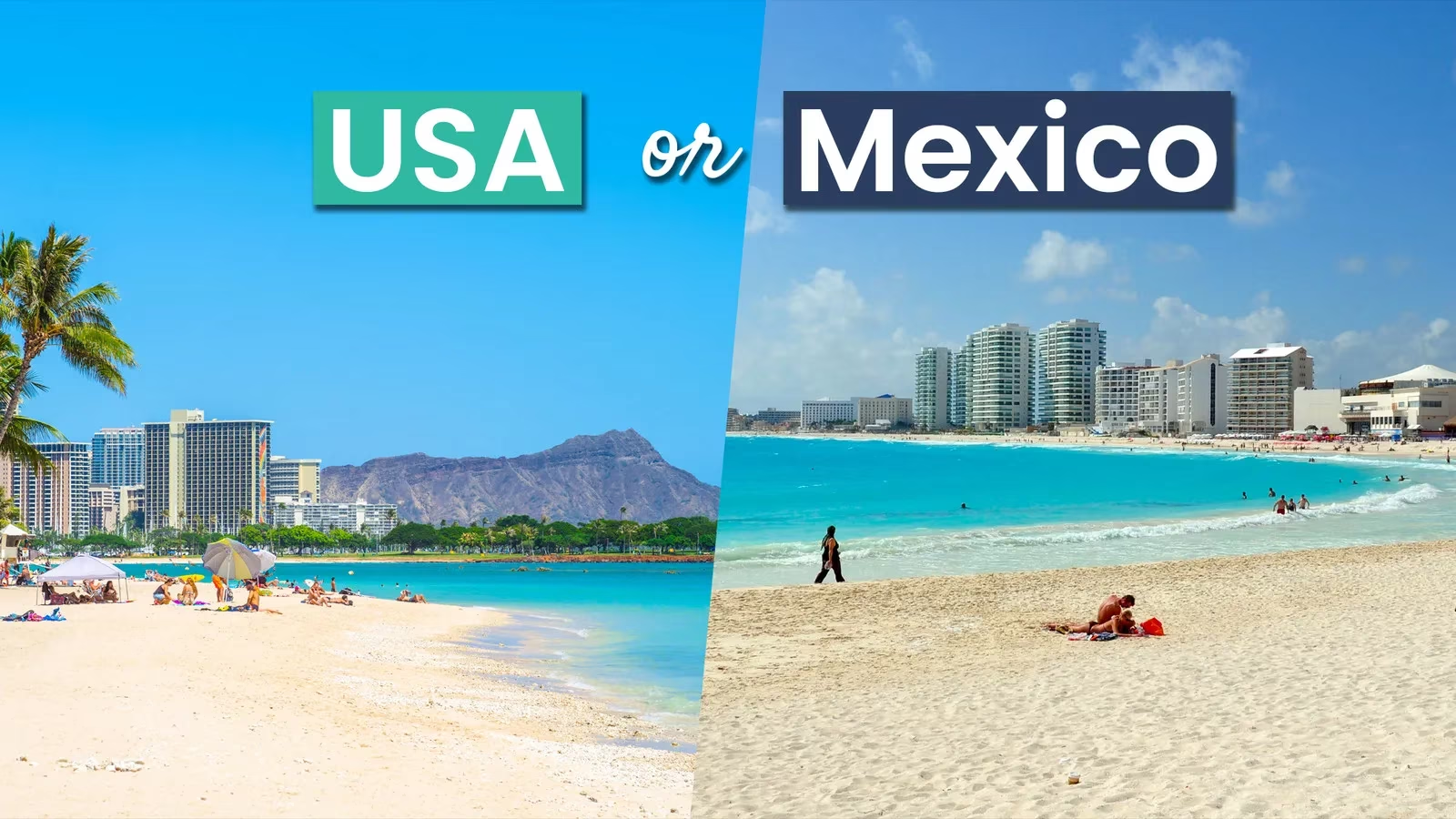
In the grand, sandy arena of North American shorelines, a clear victor has emerged in the quest for pristine, eco-conscious beaches. As of 2026, Mexico isn't just participating in the sustainability race; it's lapping the competition like a sea turtle on a caffeine boost. While its neighbors to the north have been dutifully tidying up their coastlines, Mexico has transformed its vast coastline into a veritable constellation of Blue Flag beaches, boasting a staggering 77 certified stretches of sand. This achievement isn't just about having cleaner water than a freshly rinsed margarita glass; it represents a deep-seated national commitment to environmental stewardship that has left the United States and Canada gazing wistfully across the border.
What is the Blue Flag, Anyway?
Think of the Blue Flag award not as a simple participation ribbon for a clean beach, but as the Olympic gold medal of sustainable coastal management. It's a voluntary, prestigious eco-label that functions more like a rigorous final exam for beaches, marinas, and tourism boats. To earn this coveted flag, a location must pass a grueling checklist of 33 specific criteria, covering four key areas:
| Criteria Category | What It Involves |
|---|---|
| Water Quality | Regular, stringent testing to ensure swimming is safe and pleasant. |
| Environmental Management | Proper waste disposal, conservation of natural areas, and clean facilities. |
| Safety & Services | Lifeguards, first aid, clean restrooms, and accessibility for all. |
| Environmental Education | Actively informing the public about local ecosystems and conservation. |
This last point is crucial. A Blue Flag beach isn't allowed to be just a pretty face; it must also be a knowledgeable tour guide, offering permanent displays and programs about local biodiversity. It’s as if the beach itself has earned a degree in environmental science and is eager to share its thesis with every visitor who spreads out a towel.
Why Should You Care About a Blue Flag Vacation?
Choosing a Blue Flag beach for your getaway is like opting for a gourmet meal over fast food—you're investing in a higher-quality, more enriching experience. Here’s the breakdown of what you're signing up for:
-
Guaranteed Cleanliness: You can say adiós to worrying about murky water or litter-strewn sand. These beaches are monitored more closely than a celebrity's social media account.
-
Safety First: With lifeguards, clear signage, and first-aid facilities, you can relax knowing safety nets (both literal and figurative) are in place.
-
Eco-Education: Your dose of vitamin sea comes with a side of knowledge. Learn about local sea turtles, coral reefs, or coastal dunes, turning a lazy beach day into a subtly enlightening one.
-
Community Support: By visiting, you're supporting local economies that have chosen a sustainable path, ensuring tourism dollars help preserve the beauty you came to see.
In essence, you're not just a tourist; you become a temporary participant in a large-scale environmental project, all while working on your tan.
The North American Scorecard: Mexico in a Landslide
Let's look at the numbers, which tell a story more dramatic than a telenovela finale. In the Blue Flag beach championship of North America, the standings are clear:
-
🥇 Mexico: 77 Beaches
-
🥈 Canada: 17 Beaches
-
🥉 United States: 2 Beaches
Mexico's dominance is so absolute it's like comparing a sprawling, lush mangrove forest to a couple of well-kept bonsai trees. The U.S., for all its popularity and iconic shores like Siesta Beach in Florida (a TripAdvisor favorite), has only managed to secure the Blue Flag for two locations: Delray Beach Municipal Beach in Florida and Westward Beach in Malibu, California. Canada, with its strong eco-tourism ethos, has made a respectable showing but remains far behind its southern neighbor.
Mexico's Blue Flag treasures are sprinkled across its famous destinations:
-
Los Cabos: The undisputed champion, hosting 25 certified beaches.
-
Puerto Vallarta & Zihuatanejo: Where golden sunsets meet golden environmental standards.
-
Isla Mujeres: A scenic and underrated alternative to Cancun, proving sustainability and beauty are perfect partners.
The Ripple Effect: More Than Just Clean Sand
Mexico's investment in the Blue Flag program has created a powerful ripple effect. These beaches have become hubs for sustainable community development, creating jobs that rely on preserving nature rather than exploiting it. They set a high bar, demonstrating that mass tourism and environmental responsibility don't have to be archenemies; they can be a powerful, synergistic duo, like lime and salt on the rim of a glass.
As we move deeper into the 2020s, with travelers becoming more environmentally conscious than ever, Mexico's blueprint is invaluable. The country has shown that achieving sustainability isn't a mysterious alchemy—it's the result of clear standards, community effort, and a commitment to educating everyone who visits. So, the next time you're dreaming of a beach escape, consider heading south of the border. You'll find more than just warmth and waves; you'll find a coastline that's actively working to ensure it remains beautiful for generations to come, one Blue Flag at a time. 🌊🏝️🇲🇽
Comments