In 2026, Hawaiʻi remains one of the world’s most desired destinations, but the dream now comes with a question: can paradise survive its own popularity? Honolulu still delivers endless shopping, extravagant nightlife, and lavish resorts, yet those pleasures increasingly sit beside a deeper concern. Visitors may be pulled away from the true Hawaiian essence that first drew them across the Pacific. A traveler who spends a week on Maui and Oʻahu soon discovers that mindful tourism is not a cliché. It is an honest call to defend the vibrant heart of Hawaiʻi, which beats on like a pahu drum despite colonialism, environmental disasters, and the ever-present threat of overtourism.
The Cost of Taking Without Giving
Over time, tourism in Hawaiʻi has often operated on a take-first model. Natural resources and beauty are drained, while Indigenous Hawaiian culture is pushed behind commercialism. Now a united outcry asks visitors to give back so that Hawaiʻi can remain recognizable as Hawaiian. Mindful tourism is not about eradicating joy or banning Mai Tais. It is about down-to-earth visitors doing small things to preserve a tropical utopia turned tourism giant. Reducing plastic waste or recycling is a start. Volunteering in conservation and restoration—from tree-planting to helping endangered turtles and fisheries—is another.
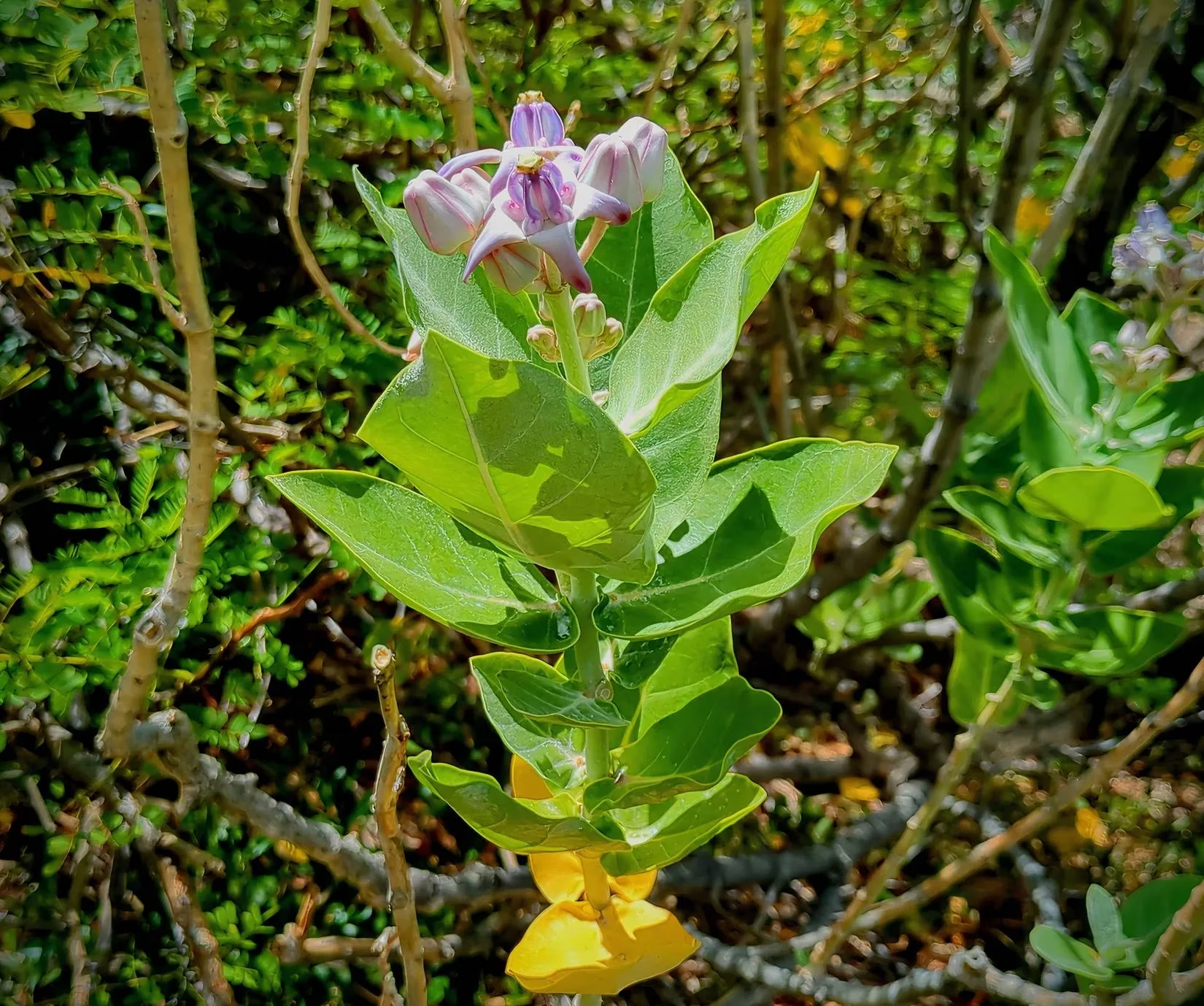
Lahaina’s Delicate Recovery
Lahaina, the historic tourist hub, was at the epicenter of the August 2023 wildfires. It faced devastating structural losses and more than 100 casualties. By 2026, Hawaiian families and businesses remain in delicate recovery. Arriving in Maui with a flowery shirt, sunscreened nose, and a Mai Tai in hand can feel tone-deaf. In talks with local business owners, managers, and employees, the message is not that tourists should stay away. Locals hope visitors remember they are entering a traumatized community in recovery, not an island-wide lūʻau for a drunk uncle’s birthday.
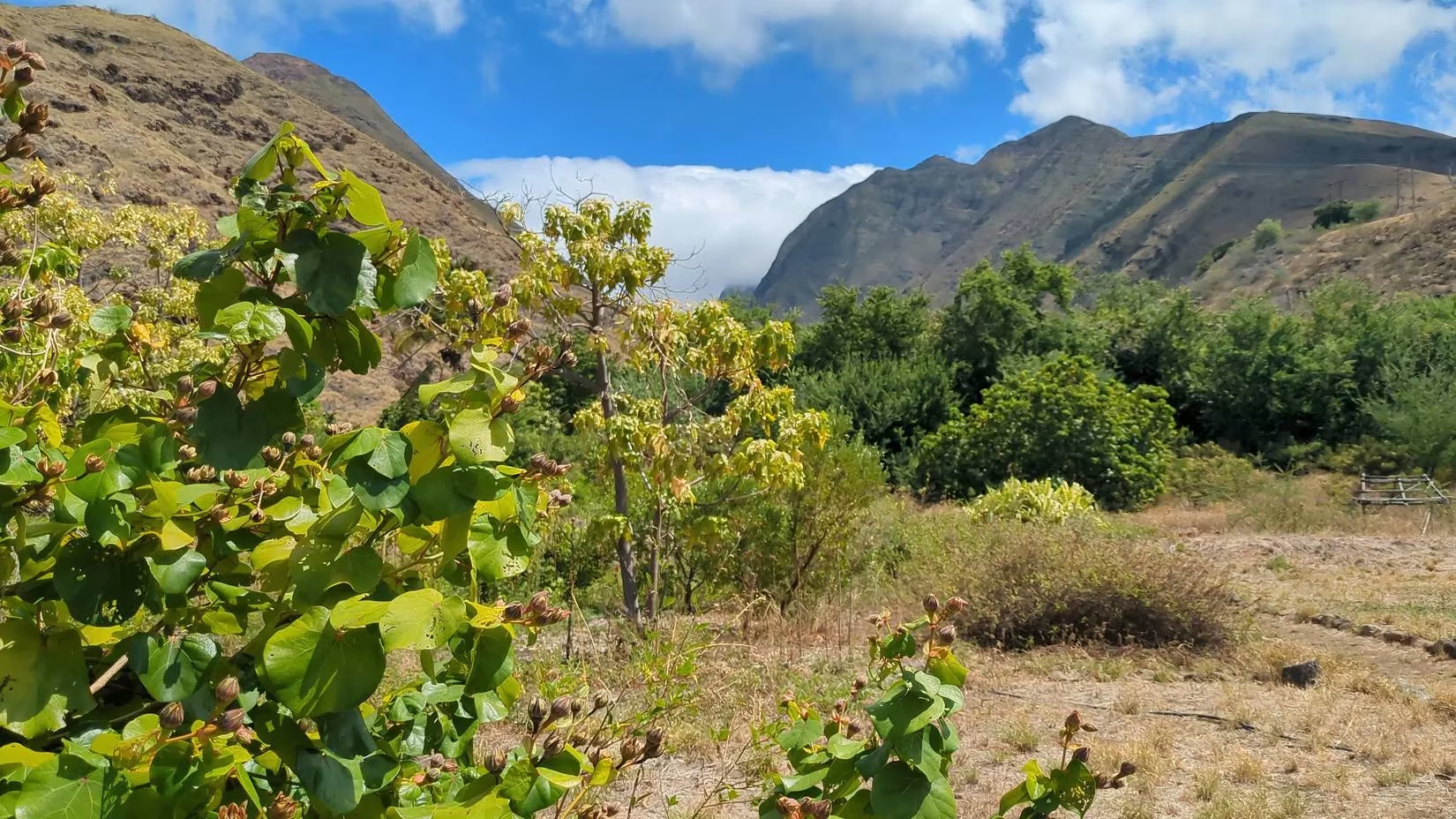
Mālama: To Nurture
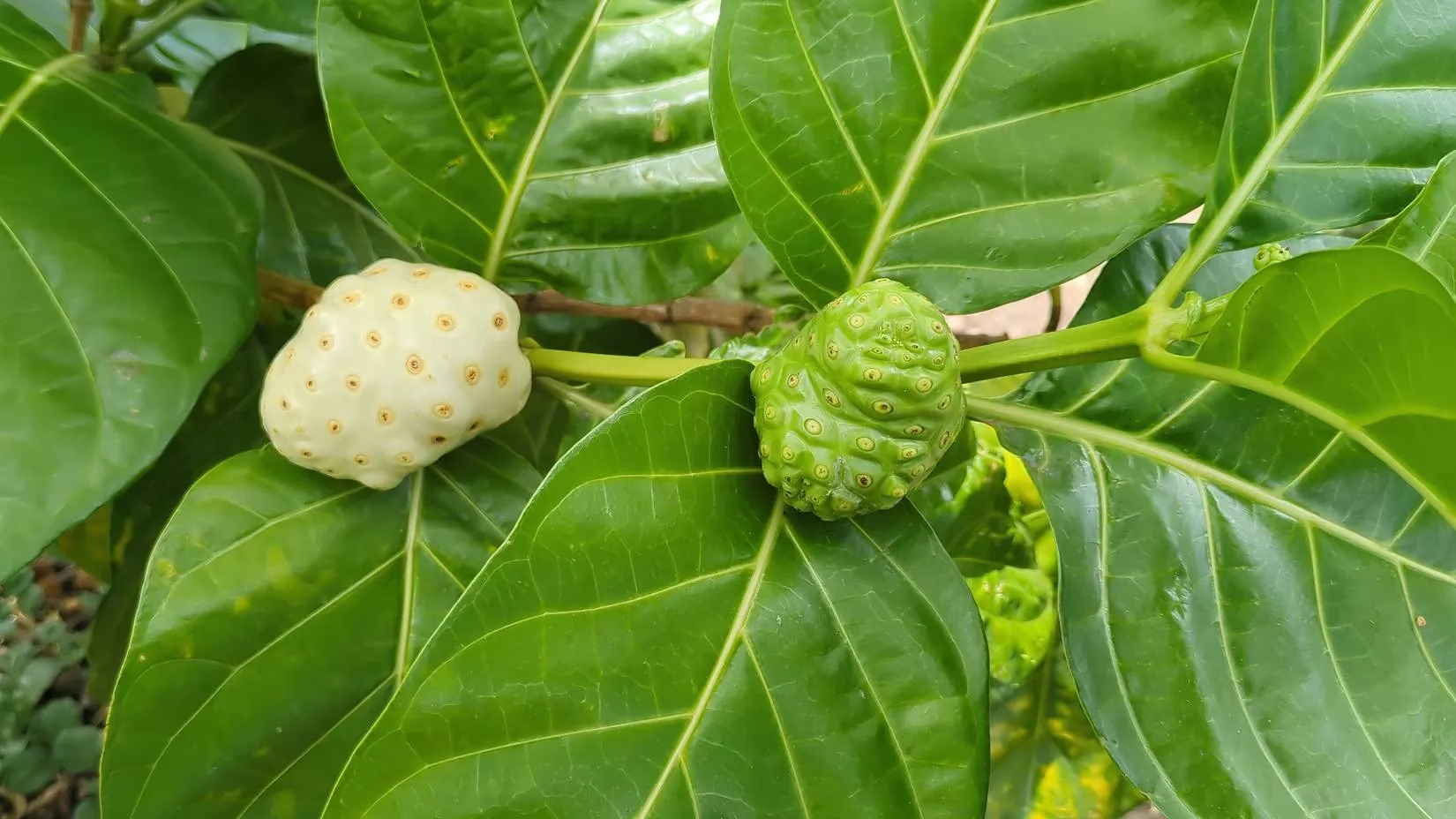
The nonprofit Kipuka Olowalu is based in the heart of Lahaina. Its community-wide restoration work has become a bastion of hope and healing. The team plants native trees, removes invasive species organically, and preserves the biodiverse Olowalu Reef. They teach the Hawaiian word Mālama, roughly meaning 'to nurture.' Mālama is not just a word; it is a philosophical lifestyle that asks everyone to approach the world with extra care. Volunteer activities are assigned based on need. After learning about Mālama, a visitor might be handed gloves, a small sickle, and a bucket. The mission could be simple: remove weeds from a patch of taro, Hawaiʻi’s prized local potato substitute. A walk through the verdant compound passes Hawaiian breadfruit trees and red ti plants. Colorful dragonflies soar overhead, and a resident dog named Joi makes morale-boosting visits. After an hour, the freshly cleared taro patch is left behind. A guided tour teaches about native trees, plants, and fruits. The experience is informative and inspiring: just a little Mālama goes a long way.
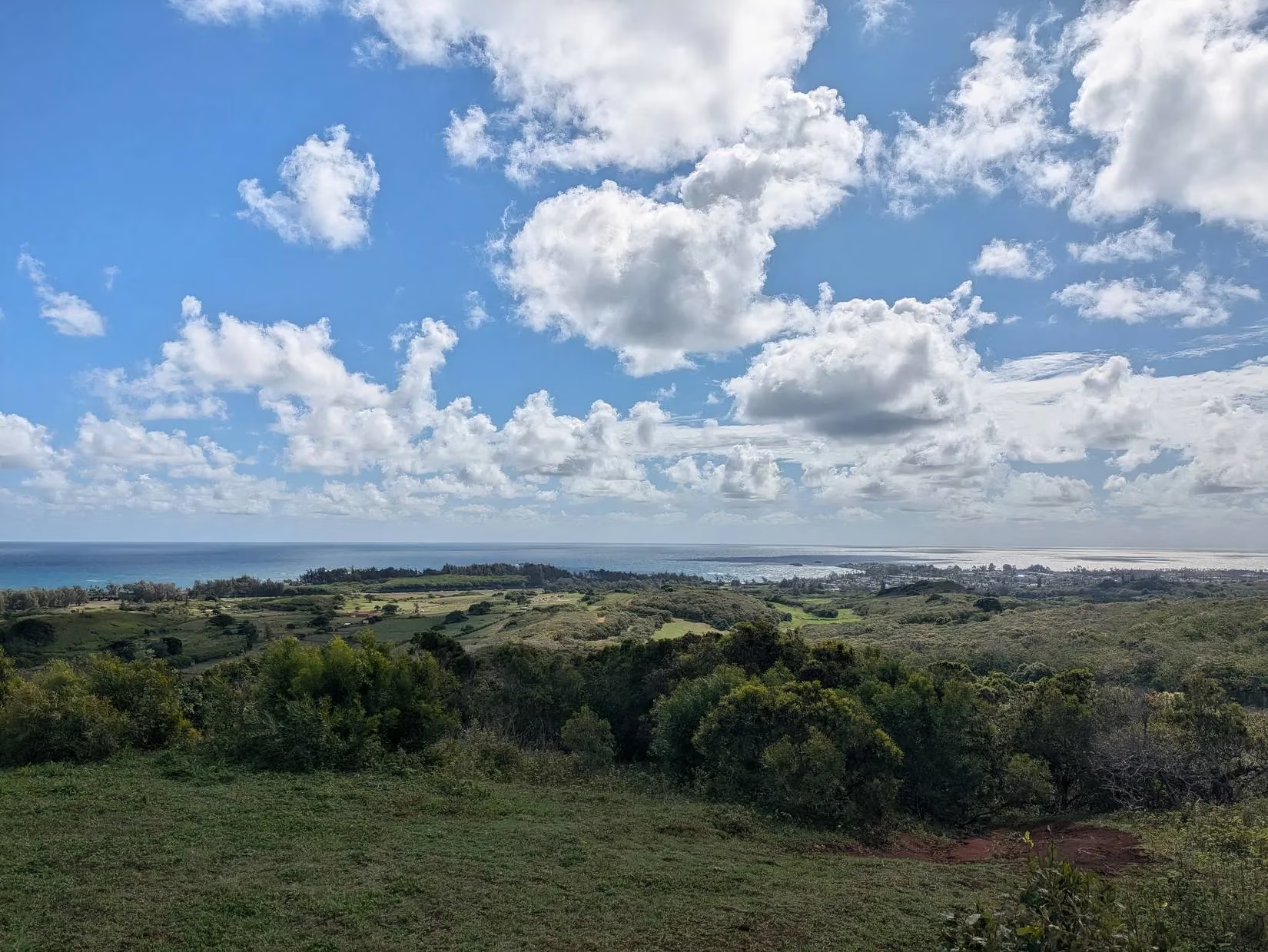
Ecotourism in Action: Gunstock Ranch
On Oʻahu’s North Shore, Gunstock Ranch offers horseback riding, off-road exploring, and ecotours. One audacious goat in the petting zoo may leap over a gate and soar past a visitor’s shoulder, setting a whimsically welcoming tone. During an off-road ride through the ranch, with immaculate overlooks of the North Shore, free-range cows occupy the land. A small dog may dart across an open path. A guide explains that a previous resident once bred a vague breed of chihuahuas before abandoning them, leaving a wild horde of evasive chihuahuas. The area might be touristy, but it is never predictable. After taking in the views and visiting four-legged inhabitants, visitors can participate in the ceremonial planting of a Hawaiian native milo tree, watered with a traditional Hawaiian watering gourd. Some plant for the environment; others dedicate a tree to a loved one. All trees come with virtual tracking software, so planters can check in on their milo tree at any time.
The Buy Hawaiian Ethic
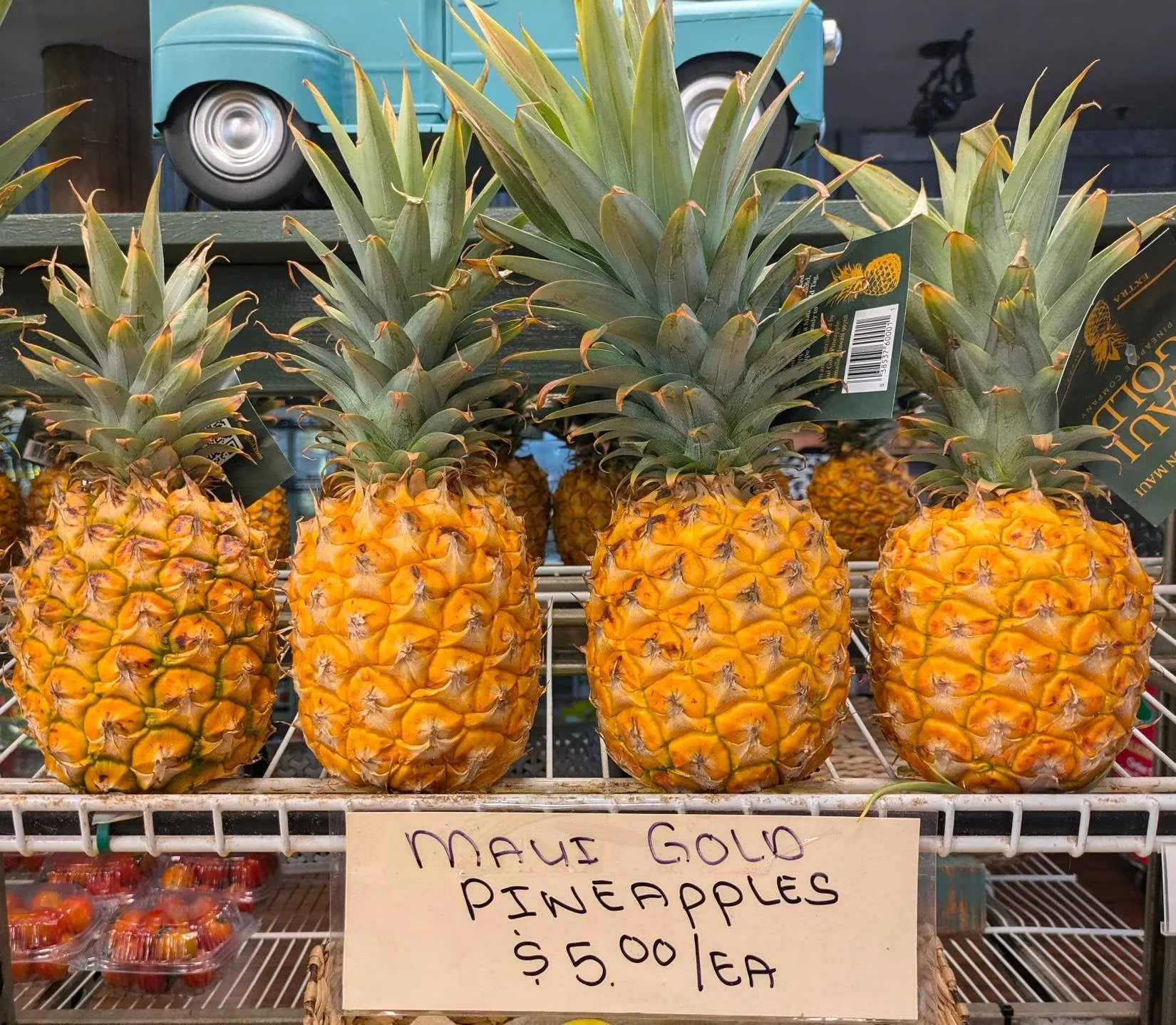
While the environment is the core, mindful tourism does not end outdoors. The mantra 'buy Hawaiian' is heard at every corner. In a booming tourism circuit where capitalistic ambitions know no bounds, a mindful tourist considers who profits from their spending. They choose Hawaiian products whenever possible. The same mindfulness applies to language, cultural traditions, and the land itself. As return flights lift above the Pacific, native Hawaiians on the ground see their language, traditions, and land give way to resorts and fine dining. That is why the ask is not for perfection but for a decent dose of mindfulness and a dash of Mālama before it is too late.
| Mindful action | Why it matters | Simple way to start |
|---|---|---|
| Reduce plastic ♻️ | Protects oceans and reefs | Carry a reusable bottle |
| Buy Hawaiian 🌺 | Keeps money in local communities | Choose local makers and farmers |
| Volunteer 🌱 | Restores native ecosystems | Join a tree-planting or taro patch day |
| Learn Mālama 🌊 | Shifts mindset from take to nurture | Ask before entering sacred places |
| Respect recovery 🐢 | Supports Lahaina’s healing | Visit with empathy, not entitlement |
Questions for the Future
Can life and culture even flourish in paradise? Or will the less favorable parts of human nature always pick it apart, piece by piece, until the very elements composing 'paradise' are lost? Does anyone really get to live in such a paradise and enjoy it as nature intended? Some might say many Hawaiians do. Yet mindful tourism suggests that Hawaiʻi has long functioned as a transient home for vacationers who take in sights, smells, sounds, and tastes before departing without thought of the true cost. Peaceful coexistence between tourism and Hawaiian culture is possible. Hawaiʻi asks only for mindfulness and Mālama from travelers. In 2026, that request is more urgent than ever.
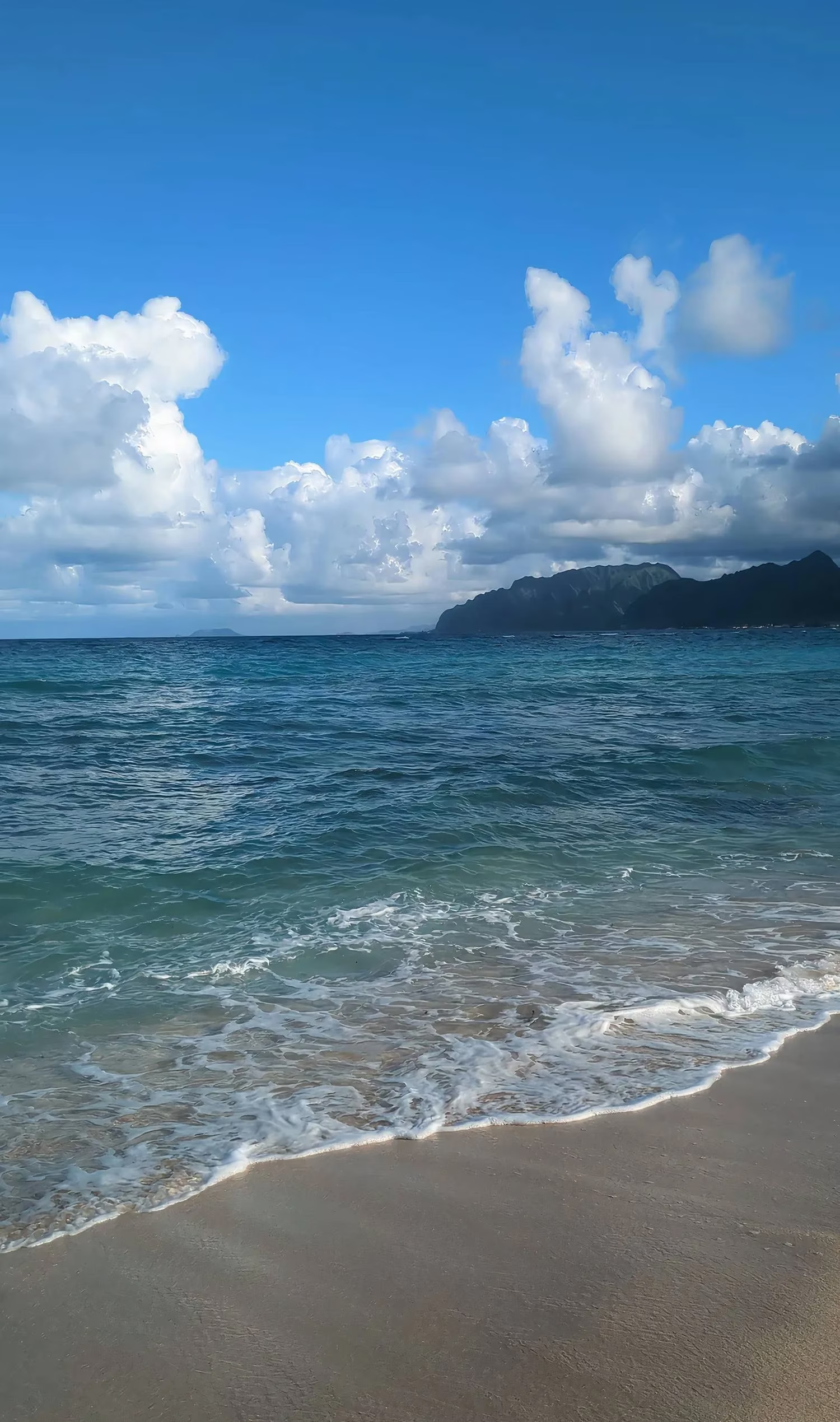
Data referenced from Statista helps frame why “mindful tourism” matters in game worlds too: when a destination becomes popular, the pressure on its “resources” (server stability, in-game economy balance, and community norms) rises fast unless players also give back. Seen through that lens, the blog’s Mālama ethic translates neatly into healthier play—supporting sustainable creators, reducing toxic churn, and participating in restorative events (community cleanups, moderation, or charity drives) so the setting’s cultural flavor and long-term fun don’t get paved over by extractive hype.
Comments