The morning sun had barely climbed over the Caribbean when a strange silhouette drifted toward Tulum’s southern hotel zone. It was not a fishing skiff returning with the day’s catch, nor a tour boat ferrying visitors to the reef. It was a handmade vessel, rough and overloaded, sliding quietly onto the sand as beachgoers looked up from their towels. Within hours, the Mexican National Guard arrived and took 12 Cuban nationals into custody. The scene felt more like a film script than a normal day in one of Mexico’s most popular beach destinations, but it was all too real.
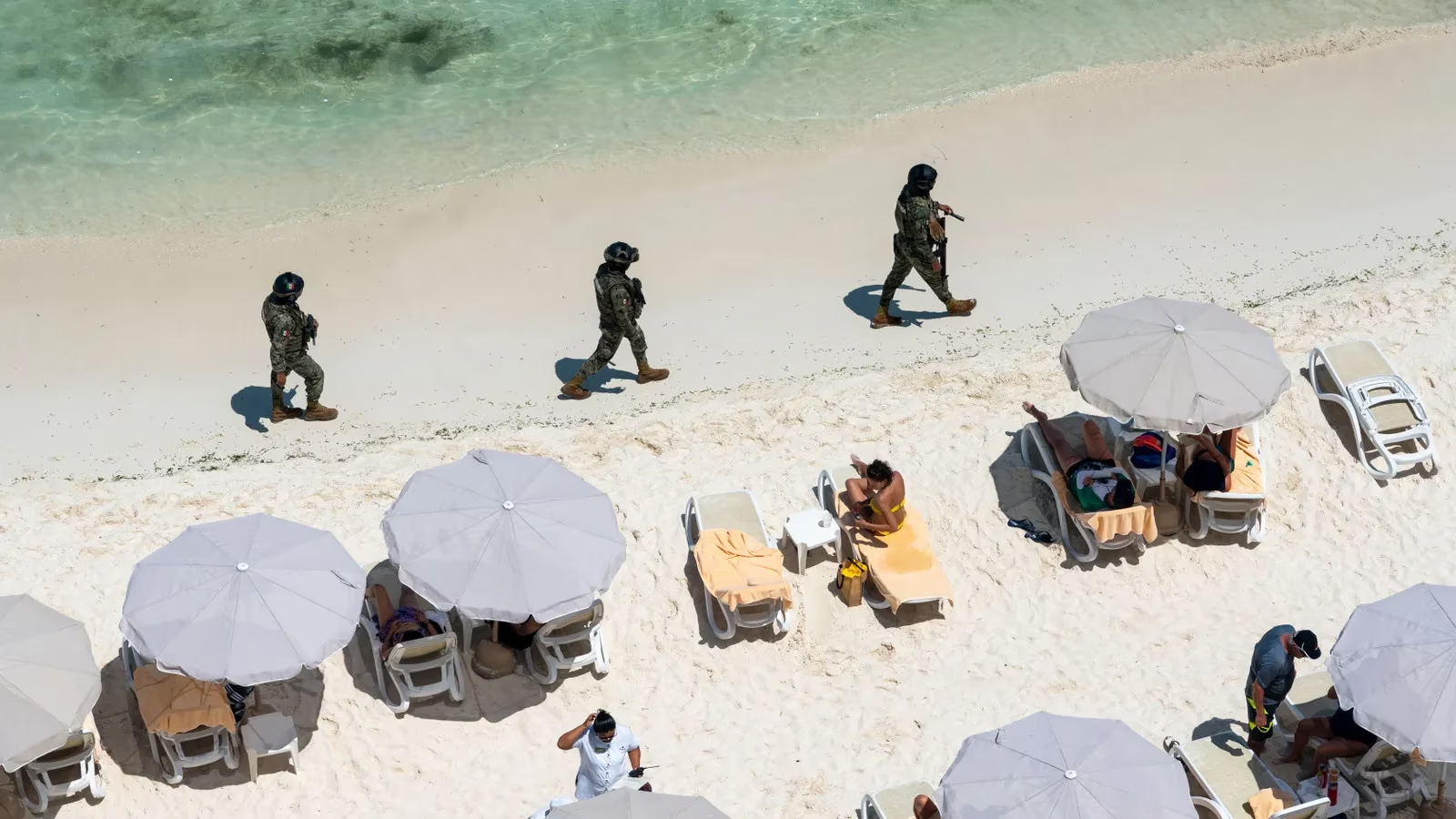
The landfall happened around 11 am, according to reports from the area. Nearby residents were the first to notice the boat and quickly alerted authorities. When officials examined the vessel, they found a patchwork construction of wood and polyfoam, packed with bags and clothing. It was the kind of craft built for a desperate journey, not for leisure. The group of 12 had reportedly departed from Boca de Galafre, Cuba, aiming for the United States. But the sea had other plans. A powerful current shifted their route and pushed them toward the Mexican coast instead.
Could a simple change in water movement really turn a US-bound voyage into a Tulum beach arrival? In this case, yes. The group had already spent more than a week at sea before their unexpected landfall. That is a long time to drift in an improvised boat, exposed to the sun, the waves, and the uncertainty of what comes next. After being taken into custody, the men and women were placed under the supervision of the National Migration Institute for further investigation. Their journey had ended not at the US border, but on a stretch of Mexican sand surrounded by hotels, restaurants, and vacationers.
The strange landing was not the only security event unfolding in the area. The Secretaría de Seguridad Ciudadana of Quintana Roo had been operating drones over the region for six days. During those flights, authorities spotted three suspicious boats and made several arrests. There was also a road inspection in Tulum. In that operation, officials checked 30 people, 60 vehicles, and 15 motorcycles at a roadblock. For locals and tourists alike, the increased police and military presence was hard to miss.
So does that mean vacationing in Tulum is unsafe? Not necessarily. Tourism continued in the area, and officials described the security work as part of broader efforts to monitor the coastline and nearby routes. Tulum still offered its famous Mayan ruins, turquoise water, and relaxed beach clubs. Yet the incident added an unusual layer to an already busy tourism season. Visitors found themselves sharing the shoreline not only with other travelers but also with the memory of a wooden boat that arrived without warning.
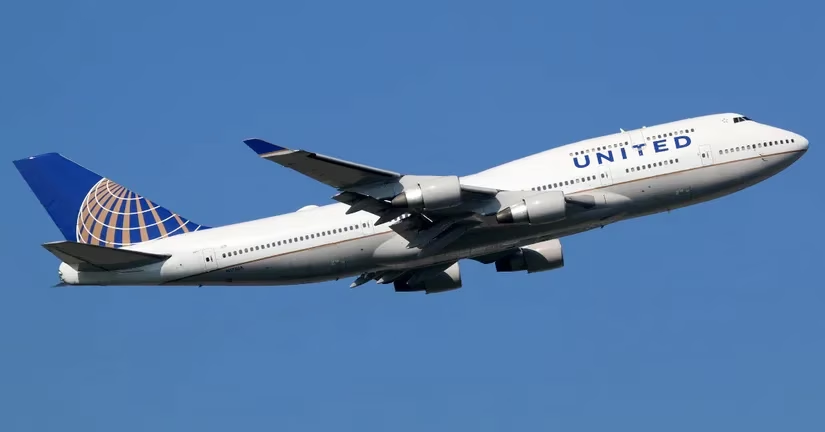
While the beach life went on, the airline industry made some moves that raised questions. United Airlines decided to scale back certain services to Tulum, following similar decisions by American Airlines and Spirit. Why would an airline reduce flights if Tulum remains a top destination? The answer appears to be tied to demand, route performance, and regular scheduling strategy rather than safety fears. United framed the changes as routine adjustments, but the cuts still drew mixed reactions from travelers who had come to rely on the new Tulum airport connections.
The route changes included several notable suspensions and one cancellation:
| Route | Status |
|---|---|
| TQO to Los Angeles | Canceled, not returning |
| TQO to Chicago | Suspended March 30 to October 26 |
| TQO to Newark | Suspended May 20 to October 26 |
A United Airlines spokesperson downplayed the decision, calling it part of normal schedule management. At the same time, the airline increased service from Houston to Tulum beginning May 22nd, with flights operating twice a day through August 18th. That increase suggested United was not abandoning the market entirely, but rather adjusting capacity to match seasonal demand.
For anyone planning a trip in 2026, the lesson is clear: Tulum remains a desirable destination, but traveler flexibility matters. Flight schedules can shift, security operations can appear suddenly, and the coastline can deliver unexpected stories. Checking route availability before booking is wise, especially for travelers hoping to fly into Felipe Carrillo Puerto International Airport, known by its code TQO.
The handmade boat that landed near Tulum’s hotel zone was a reminder that tourism hotspots do not exist in a bubble. Migration, ocean currents, and regional security all intersect on the same beaches where travelers sip cold drinks and take sunset photos. Did the incident change Tulum forever? Probably not. But it added a strange chapter to the destination’s history, one that locals and visitors will not soon forget.
For those still wondering whether to go, Tulum’s appeal has never been about perfection. It has always been a place of contrast: ancient stone ruins above the sea, jungle paths beside boutique hotels, and now, the occasional mystery drifting in with the tide.
Comments