As I plan my summer outings along the stunning California coastline, I'm reminded that the allure of the ocean isn't always matched by its safety. Recently, the Los Angeles Public Health Department issued a crucial advisory that has reshaped my beach day plans. Bacterial contamination has reached concerning levels at several popular coastal spots, transforming these typically vibrant destinations into areas requiring caution and awareness. This situation underscores the delicate balance between enjoying nature's beauty and respecting public health guidelines.
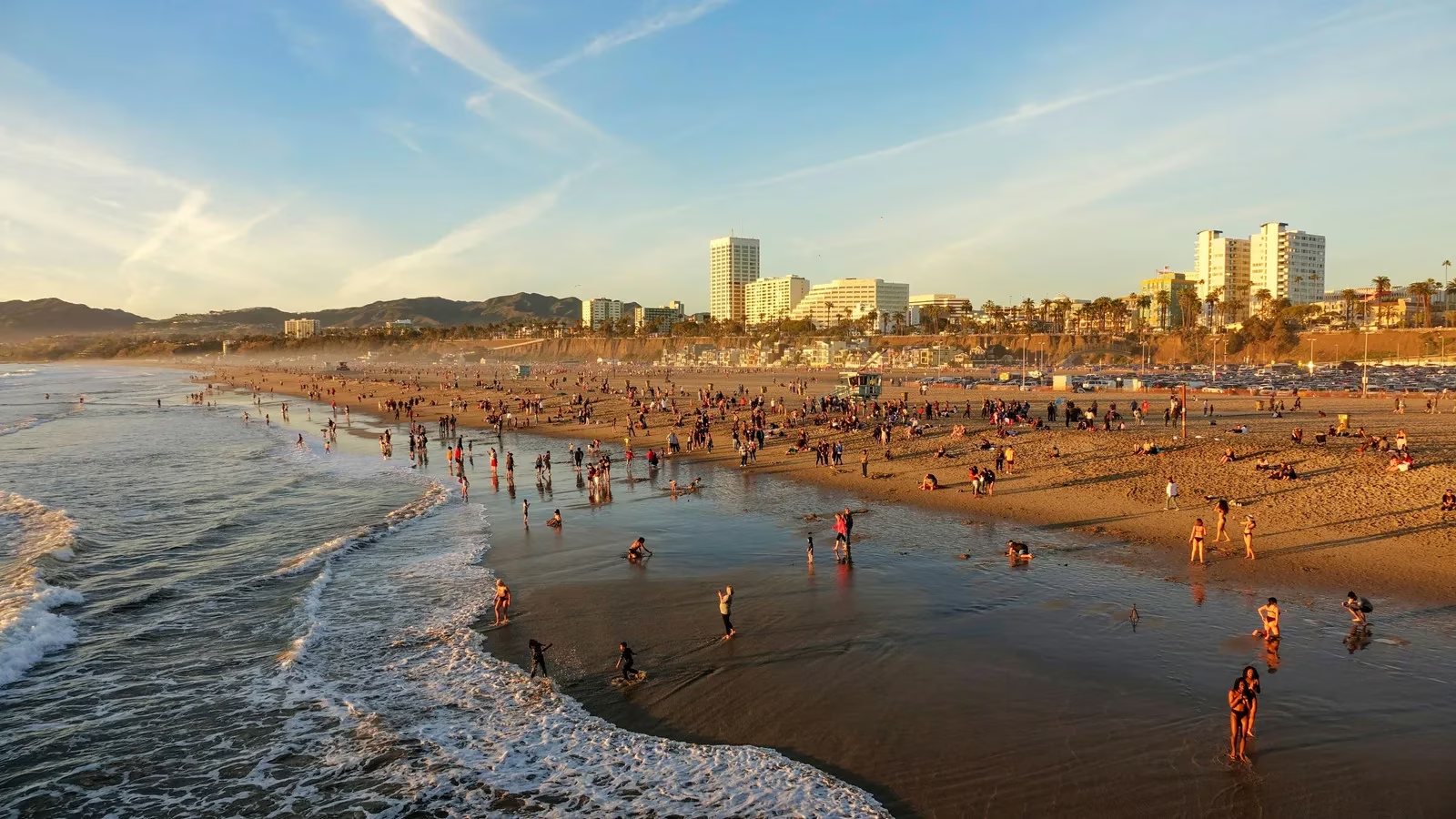
🌊 Affected Coastal Locations
The advisory specifically identifies seven areas where water contact should be avoided. I've compiled them into this comprehensive list for easy reference:
Major Pier and Drainage Areas:
-
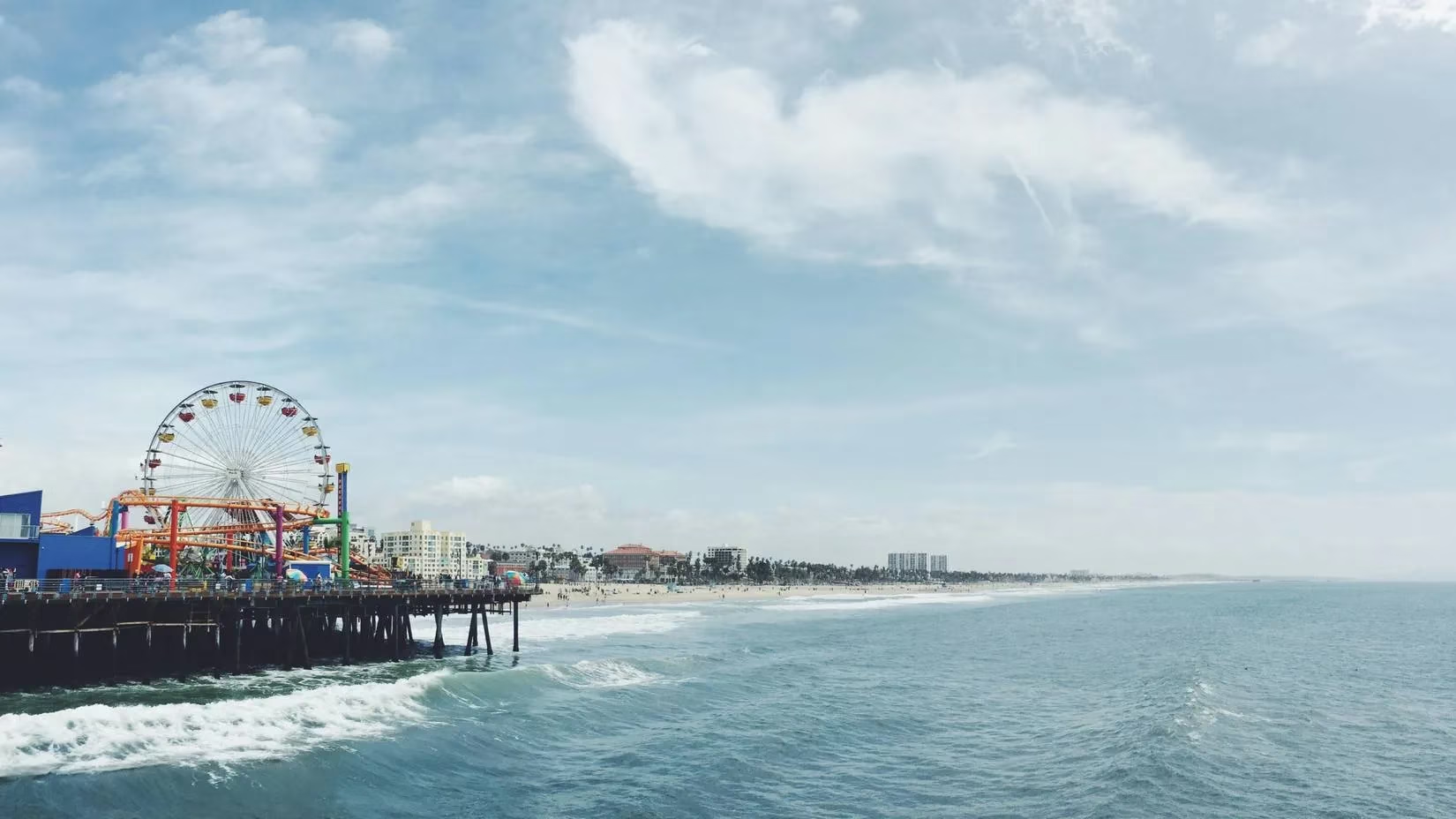
Santa Monica Pier (100 yards north and south of the structure)
-
Bel Air Bay Club at Will Rogers State Beach (100 yards from club border fence)
-
Windward Storm Drain at Venice Beach (100 yards from drainage point)
-
Castlerock Storm Drain at Topanga County Beach (100 yards from drain)
Complete Beach Closures:
-
Mothers Beach in Marina Del Rey (entire shoreline)
-
Inner Cabrillo Beach in San Pedro (all coastal access points)
Creek Impact Zone:
- Ramirez Creek at Paradise Cove (100 yards from pier area)
What strikes me most is how these locations represent some of LA's most iconic coastal experiences. From the bustling Santa Monica Pier with its carnival atmosphere to the tranquil Paradise Cove, these are places where locals and visitors alike typically gather to celebrate California's beach culture.
🔬 Understanding the Bacterial Contamination
The primary concern stems from elevated bacterial concentrations that exceed established health thresholds. According to public health experts, these microorganisms can cause various illnesses, particularly affecting vulnerable populations like children, elderly visitors, and individuals with compromised immune systems. The contamination appears to be connected to urban runoff and drainage systems that channel pollutants directly into coastal waters.
I've learned that rainfall plays a significant role in this environmental challenge. During and after precipitation events, runoff carries contaminants from streets, landscapes, and drainage systems into the ocean. Bacterial levels can remain elevated for up to 72 hours depending on rainfall intensity and runoff volume. This creates a cyclical pattern where water quality fluctuates with weather conditions, making constant monitoring essential for visitor safety.
⚠️ Health Implications and Precautions
Exposure to contaminated coastal waters can lead to several health issues that I'm careful to avoid:
| Potential Illness | Common Symptoms | Vulnerable Groups |
|---|---|---|
| Gastrointestinal infections | Nausea, vomiting, diarrhea | Children, elderly |
| Skin rashes and infections | Redness, itching, lesions | Those with sensitive skin |
| Respiratory issues | Coughing, throat irritation | People with asthma |
| Ear and eye infections | Pain, discharge, redness | All beachgoers |
What concerns me most is that there's no definitive timeline for when these waters will return to safe levels. While officials hope for improvement within three days, the advisory remains in effect until comprehensive testing confirms bacterial concentrations have normalized. This uncertainty requires flexibility in planning coastal activities.
🏖️ Safe Beach Alternatives and Activities
Fortunately, LA's coastline offers numerous options beyond the affected areas. Here are my top recommendations for enjoying Southern California's coastal beauty while prioritizing health:
1. Beach Activities Without Water Contact:
-
📸 Photography sessions capturing dramatic coastal landscapes
-
🚶♂️ Scenic walks along unaffected shoreline paths
-
🧘♀️ Beach yoga and meditation sessions on dry sand
-
🏐 Volleyball and other dry sand sports
-
🦀 Tidepool exploration during low tide (check local advisories)
2. Nearby Coastal Destinations:
While specific unaffected beaches aren't listed in the advisory, I typically look for areas without storm drain outlets and further from urban runoff sources. Beaches with natural barriers or those in less developed coastal sections often maintain better water quality.
🌄 Beyond the Beach: LA's Diverse Attractions
When coastal waters present challenges, I've discovered that Los Angeles offers countless alternative experiences:
Natural Wonders Within Driving Distance:
-
Channel Islands National Park - Often called the "Galapagos of North America"
-
Joshua Tree National Park - Surreal desert landscapes and unique ecosystems
-
Angeles National Forest - Mountain escapes with hiking and panoramic views
Cultural and Educational Experiences:
🎭 Museum Exploration:
-
The Getty Center's art collections and architecture
-
California Science Center's interactive exhibits
-
Petersen Automotive Museum's vehicle history displays
-
Natural History Museum's dinosaur exhibits
🏙️ Iconic LA Experiences:
-
Universal Studios Hollywood's movie magic
-
Hollywood Walk of Fame celebrity spotting
-
Griffith Observatory's astronomical wonders
-
Venice Beach Boardwalk's vibrant street culture
📋 Planning Your Coastal Visit
Based on my experience navigating these advisories, here's my recommended approach:
-
Check Current Conditions: Always verify water quality status through official channels before visiting
-
Time Your Visit: Consider early morning visits when beach crowds are smaller
-
Pack Alternatives: Bring books, games, or art supplies for beach enjoyment without water contact
-
Stay Informed: Follow local health department updates for real-time information
-
Have Backup Plans: Research nearby attractions in case beach conditions change unexpectedly
🌟 Making the Most of Your LA Experience
What I appreciate about Los Angeles is its remarkable adaptability. Even when certain coastal areas face temporary challenges, the region's diversity ensures there's always something wonderful to experience. The current advisory serves as a reminder of our shared responsibility to protect coastal ecosystems while enjoying their beauty responsibly.
I've learned to view these situations not as disappointments but as opportunities to explore different aspects of Southern California's rich offerings. Whether discovering hidden hiking trails, immersing myself in world-class museums, or simply enjoying a spectacular sunset from a safe coastal vantage point, LA continues to deliver memorable experiences.
The temporary water quality concerns highlight the importance of environmental stewardship and public health awareness. As visitors and residents, we play a role in supporting sustainable practices that help maintain California's coastal treasures for generations to come. By staying informed, respecting advisories, and exploring responsibly, we can all contribute to preserving the natural beauty that makes Southern California's coastline so extraordinary.
Comments