I stood on Playa Bagdad that morning, my toes sinking into the damp sand where the Rio Grande kisses the Gulf of Mexico, now controversially renamed the "Gulf of America" earlier this year. The salt air carried whispers of unease as fishermen pointed toward strange metal sentinels planted overnight—six ominous signs declaring this stretch of Mexican paradise a "Restricted Area." Their bilingual warnings in English and Spanish felt like cold steel against the warmth of our coast: "Property of the Department of Defense. Unauthorized entry prohibited. You may be detained and searched." How bizarre, I thought, that the US government’s shadow could stretch across an international border to claim sovereignty over our fishermen’s haven. These weren’t driftwood messages from the tide; locals swore they watched figures from the Texas side place them under moonlight, turning our beach into an unwitting pawn in a geopolitical chess game. The waves seemed to laugh at the absurdity—a beach named Baghdad, evoking deserts, now hosting an invasion of bureaucracy.
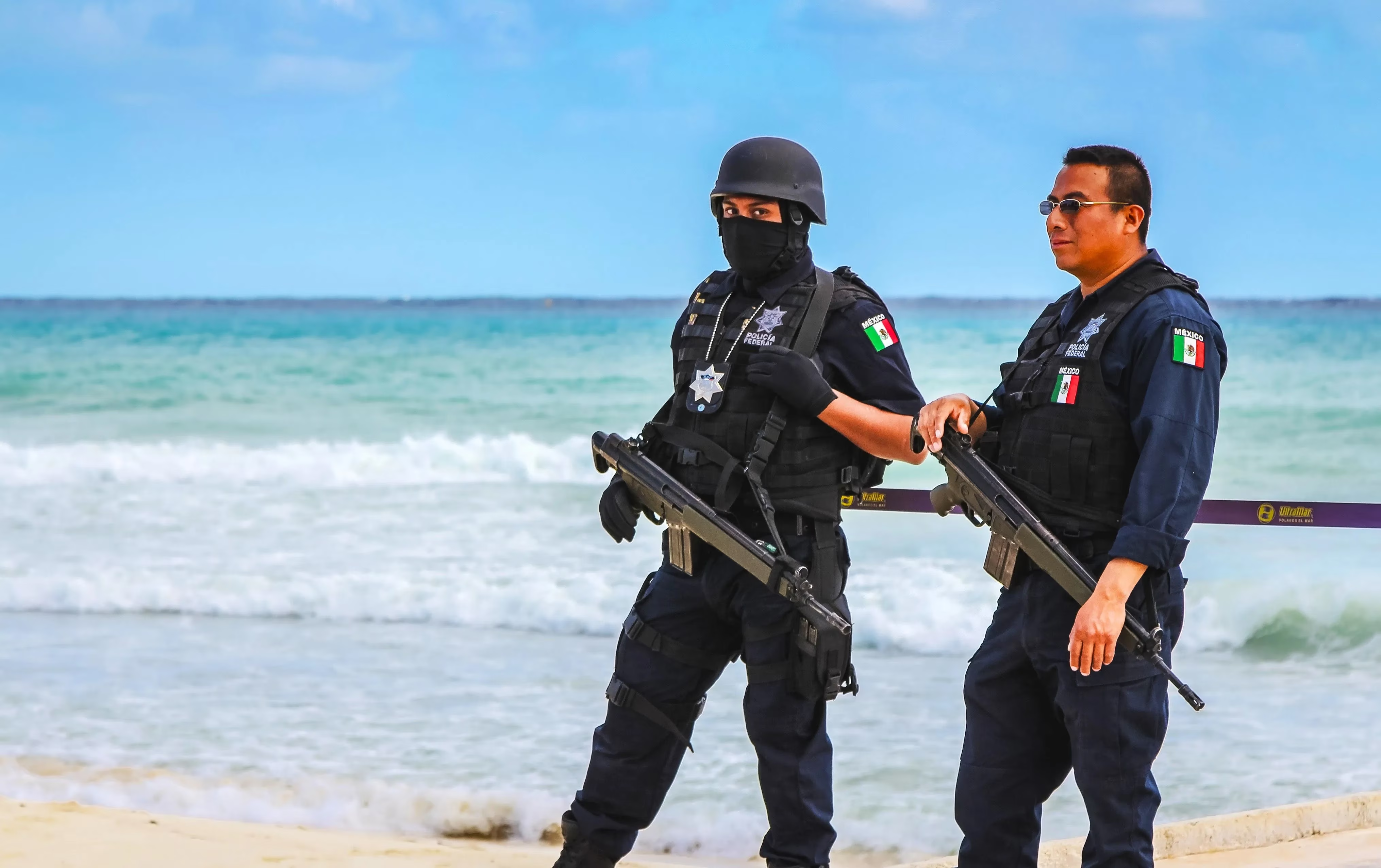
Within hours, Mexican Marines arrived like coastal guardians, swift and silent. I watched them uproot those signs with the same fierce pride our ancestors might’ve shown tearing down foreign flags. SEMAR and SRE issued terse press releases confirming the removal, calling the signs’ origin "unclear," yet the air buzzed with theories. Why here? Why now? The timing felt poisoned—just 24 hours after President Trump’s casual Oval Office musings about launching US military strikes in Mexico to "stop drugs," adding venom to every whispered suspicion.
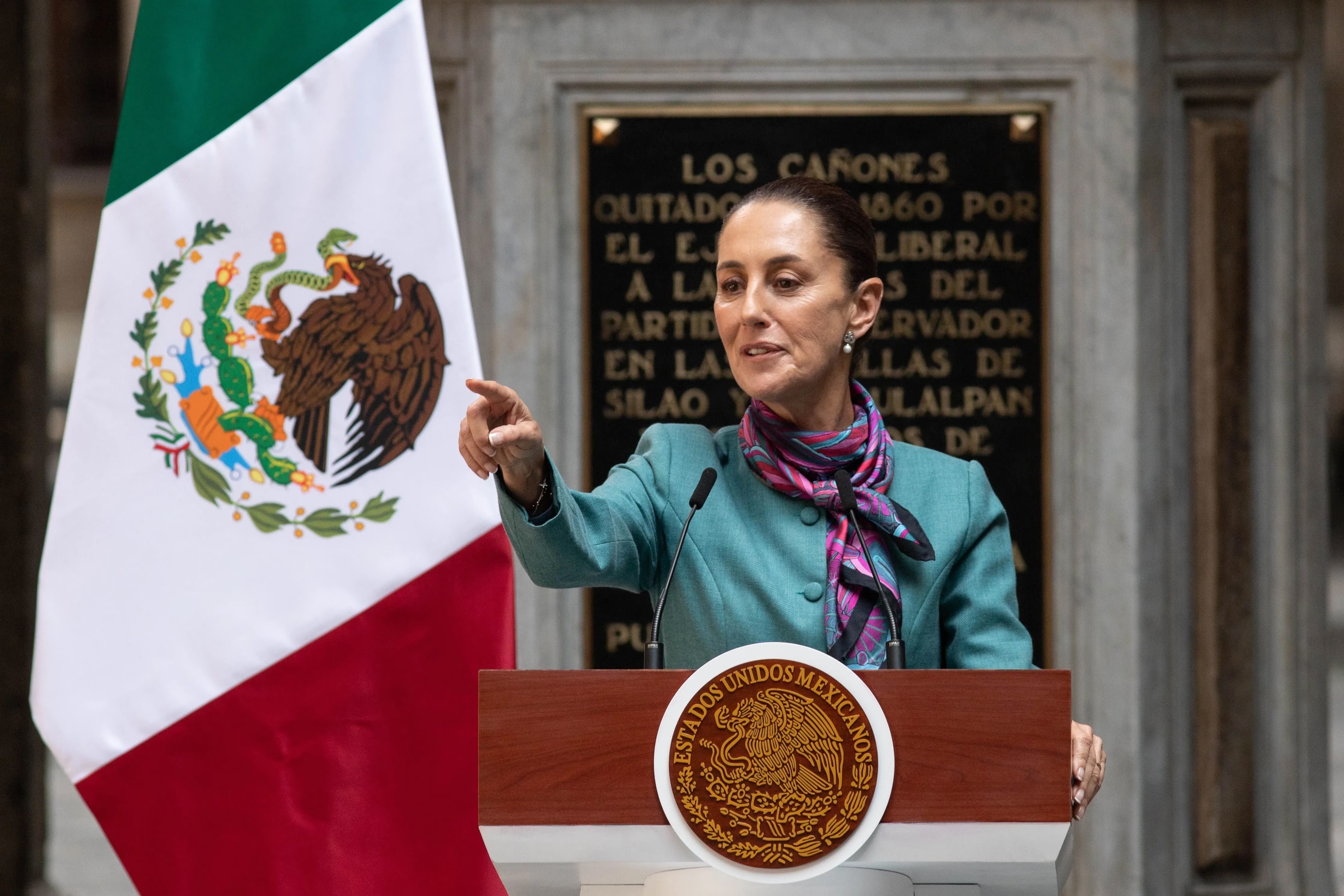
President Sheinbaum’s response was a masterclass in dignified fury. When she demanded answers from the US Embassy, initial denials crumbled like sandcastles—a US office eventually admitted hiring a company to install them, blaming the Rio Grande’s "shifting sediment" and treaty obligations. But treaties don’t justify threats on sovereign soil. Her words echoed across the plaza: "Military action in Mexico will not happen without our permission." A sentiment as unyielding as the shoreline itself.
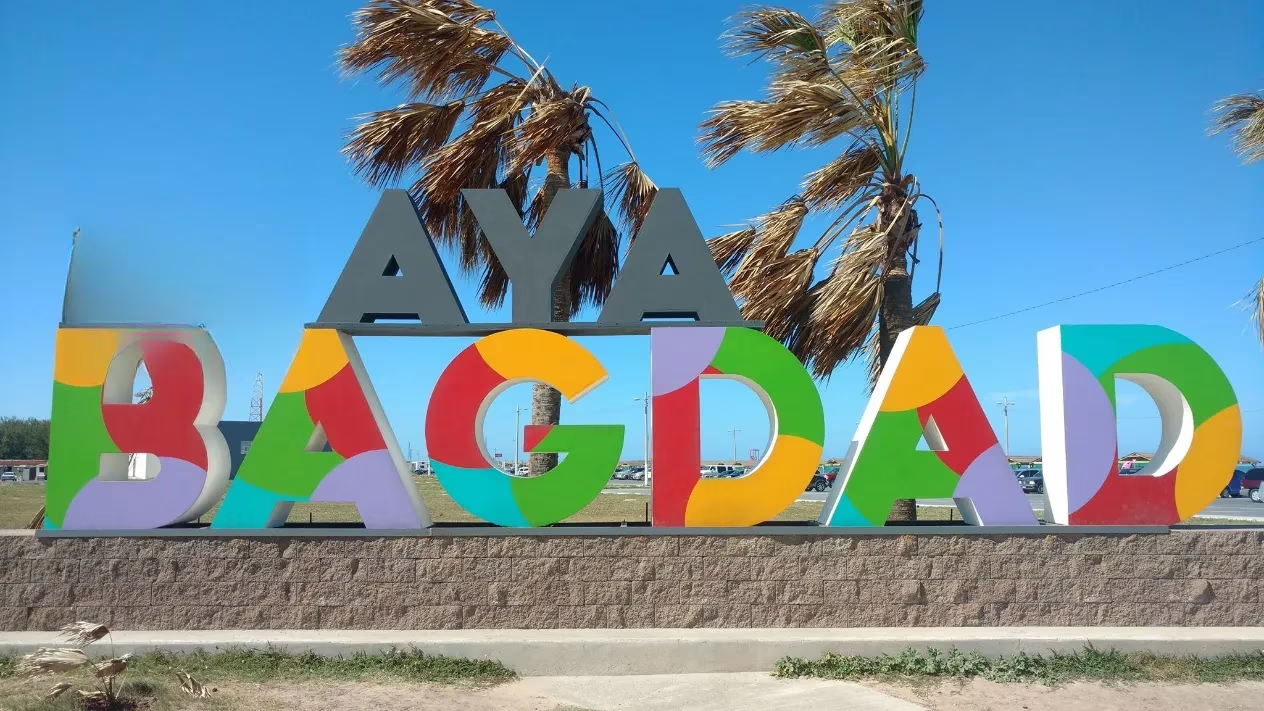
Geopolitical experts like Professor Geoffrey Corn seemed just as baffled as us fishermen. He pondered aloud—could this be a rogue agency? A misread map? The signs only made sense near US military facilities, not here where pelicans dive and children build sandcastles. Yet the damage lingered like oil slick. Beachgoers now eyed the horizon nervously, wondering if a leisurely swim might invite detention. This wasn’t just about land; it was about trust, eroded faster than any riverbank.
The aftermath feels like low tide—exposed and raw. Diplomats scramble to redefine boundaries while Playa Bagdad’s spirit fractures. Will families avoid these waters? Will "detained and searched" become the new normal? I watch the Gulf’s endless rhythm, wondering if waves can wash away distrust. Mexico’s resilience is woven into this coastline, but US overreach leaves scars deeper than footprints in sand.
⚠️ Frequently Asked Questions
- Q: Who placed the warning signs on Playa Bagdad?
A: Locals witnessed individuals from the US side installing them. The US later admitted hiring a company, citing shifting river boundaries.
- Q: What did the signs say exactly?
A: They declared the area US Department of Defense property in English/Spanish, prohibiting entry, photography, or mapping under threat of detention 🚫.
- Q: How did Mexico respond?
A: Marines removed all six signs within hours. President Sheinbaum confronted US officials, who initially denied involvement 😤.
- Q: Why is the timing suspicious?
A: Signs appeared one day after Trump hinted at military action in Mexico—"Would I launch strikes? It’s okay with me"—fueling theories about intimidation tactics.
- Q: What’s the legal basis for US actions?
A: Professor Corn called it perplexing; such signs legally apply only near US military zones, not sovereign foreign soil 🌍.
- Q: Could this affect tourism?
A: Absolutely. Threats of detention create fear, potentially keeping families away from once-beloved beaches 🏖️.
- Q: What’s next for US-Mexico relations?
A: Both governments must clarify border control protocols to prevent future incidents—trust hangs in the balance like sea mist.
Comments