Venice is sinking. That part is not up for debate. But the idea that the Floating City will vanish in 50 years because of rising sea levels? That’s a bit premature. As of 2026, Venice has a high-tech ace up its sleeve: Mose, or Modulo Sperimentale Elettromeccanico. This system of mobile underwater barriers at critical inlets can rise to block incoming tides. It is not a perfect fix, and it has created new problems, but it has changed the conversation from “when will Venice drown?” to “how can Venice survive without destroying its lagoon?”
One surprising side effect of Mose is that Venice—a city built across more than 100 islands—has effectively added another one. Not just seasonally, as in the past, but year-round. The islet is called Bacan, and locals are already worrying about what its permanent status will mean for overtourism. Here’s the rub: Bacan used to be a secret summer spot. Now it is always there, and tourists may follow.
A Floating City With a Brand-New Sandbar
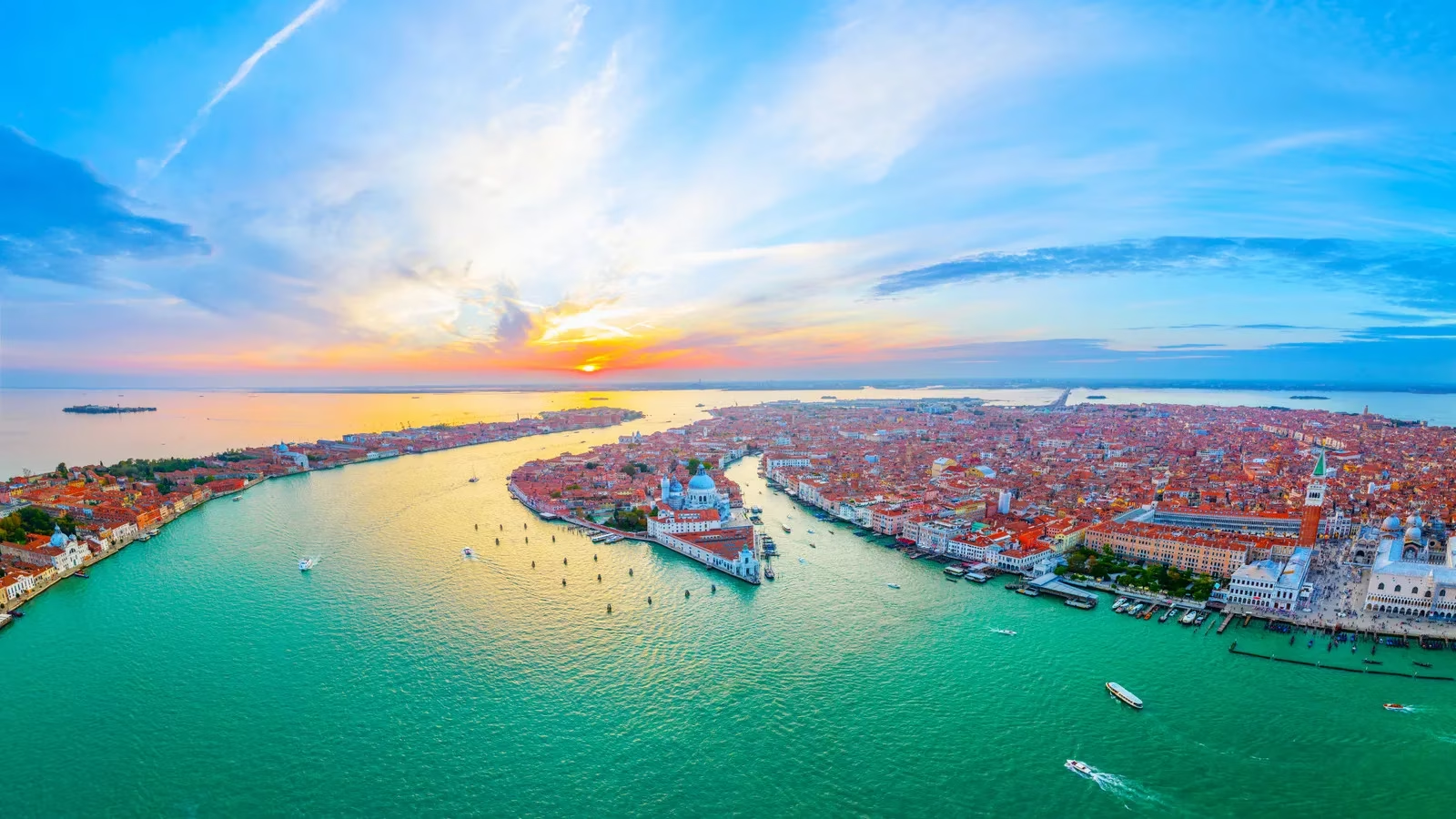
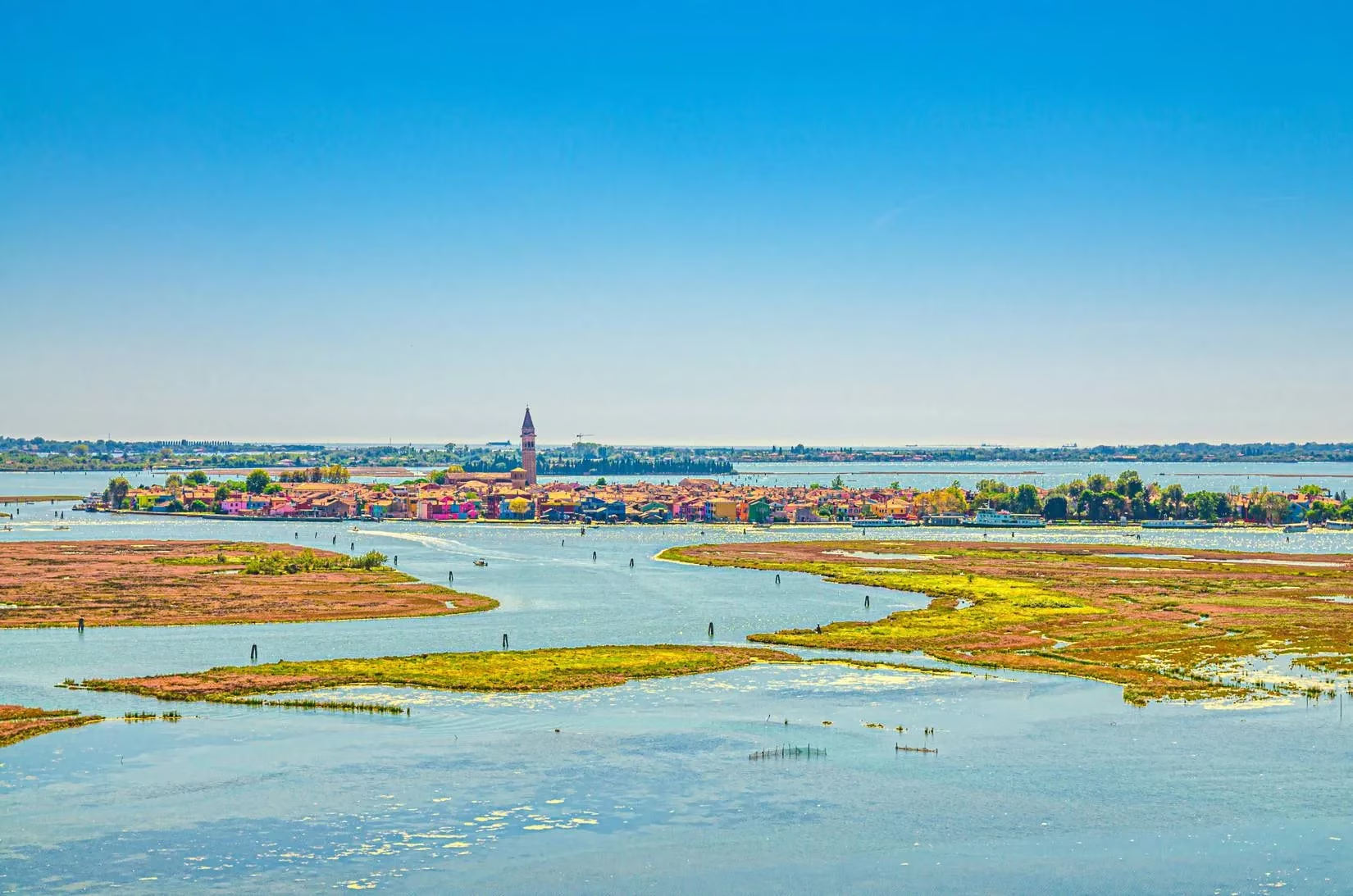
Venice’s nickname, “The Floating City,” is accurate. The historic center is a collection of 118 islands linked by more than 438 bridges. Bacan is not a grand new district. It is more of an islet: roughly 800 feet long and 30 feet wide. It sits in the Venetian Lagoon between Sant’Erasmo and Punta Sabbioni. For years, Bacan appeared only in summer, then vanished in winter. After disappearing for the last time in winter 2020, it has been a permanent feature since 2021. The likely culprit—or benefactor—is Mose.
The island is reachable only by boat. Traditionally, it has been a favorite of Venice locals: a place for beach days, picnics, and a break from the crowded canals. But now that Bacan is accessible all year, more tourists may visit. That is the fear, anyway.
Mose: Savior and Silent Saboteur
Mose was built to stop water from overwhelming Venice. When tides rise, the barriers rise too. It is an engineering marvel, and without it, Venice would be in even more trouble. But talk about a double-edged sword: Mose also stops silt. Silt is fine sediment that nourishes plants in Venice’s salt marshes. Those marshes grow, trap sediment, and reinforce sandbanks. They also store carbon, which makes them a valuable tool in the fight against climate change. Salt marshes are not just pretty scenery; they are climate infrastructure.
By inhibiting the natural inflow and outflow of silt, Mose could have devastating impacts on the lagoonal ecosystem. That ecosystem is already under stress. The Venetian Lagoon is considered the most critically endangered heritage site in Europe. So Venice faces a genuine dilemma: remove Mose, and the city is at risk from floods. Keep Mose, and the lagoon may slowly starve.
Overtourism in 2026: The Pressure Keeps Rising
Venice welcomes approximately 30 million tourists every year. That is a lot of footsteps, boat wakes, and day-trippers for a fragile city. Too many visitors cause crowding, strain resources, and contribute to the environmental damage that has helped make Venice sink. In 2025, Venice’s day-tripper fee doubled as the city tried to combat overtourism. In 2026, that fee system remains a flashpoint. Locals are still debating whether it actually protects the city or just adds another layer of bureaucracy.
The worry about Bacan is simple. If boat tours add the islet to their itineraries, and it becomes one of the must-do things in Venice, locals could be crowded out of one of their favorite beach and picnic spots. Tourist vendors would inevitably follow. That seems unlikely given Bacan’s tiny size—it is only 30 feet wide, after all. But “unlikely” is not “impossible.” And even a small increase in boat traffic puts more pressure on the Venetian Lagoon.
Can Venice Solve It All?
Preserving the Venetian Lagoon should be a priority. But removing Mose puts the city at risk, and constraining tourism damages the economy. These are the problems confronting Venice in 2026. In a nutshell, it appears impossible to solve them all at once, but people are committed to trying.
That is why some of the best day trips from Venice are not just beach destinations like Bacan or Lido di Venezia. They are ecology tours that highlight the fragility of this very special place and its importance to our future. Travelers who want to help can choose guided tours that explain the lagoon’s salt marshes, the Mose barriers, and the delicate balance between preservation and profit. Venice is not a museum. It is a living city, and it is still fighting. But the fight is no longer just about keeping water out. It is about keeping the lagoon alive—and that might be the hardest battle of all.
Comments