I wasn't standing on East Atlantic Avenue that Saturday morning, but the story of the Delray Beach firetruck and the Brightline train stuck with me like a warning light I can't switch off. A firetruck with its lights running maneuvered around lowered rail crossing arms after a freight train passed, and then a high-speed Brightline passenger train hit it. The collision split the firetruck in half. Fifteen people were injured: twelve passengers reportedly had minor injuries, and three firefighters were in stable condition after being taken to a local hospital. The crash happened at about 10:45 a.m. on the East Atlantic Avenue tracks near Railroad Avenue in Delray Beach. Even now, in 2026, I find myself asking: how does a routine emergency response turn into a scene that witnesses describe as an explosion? 🚒🚆
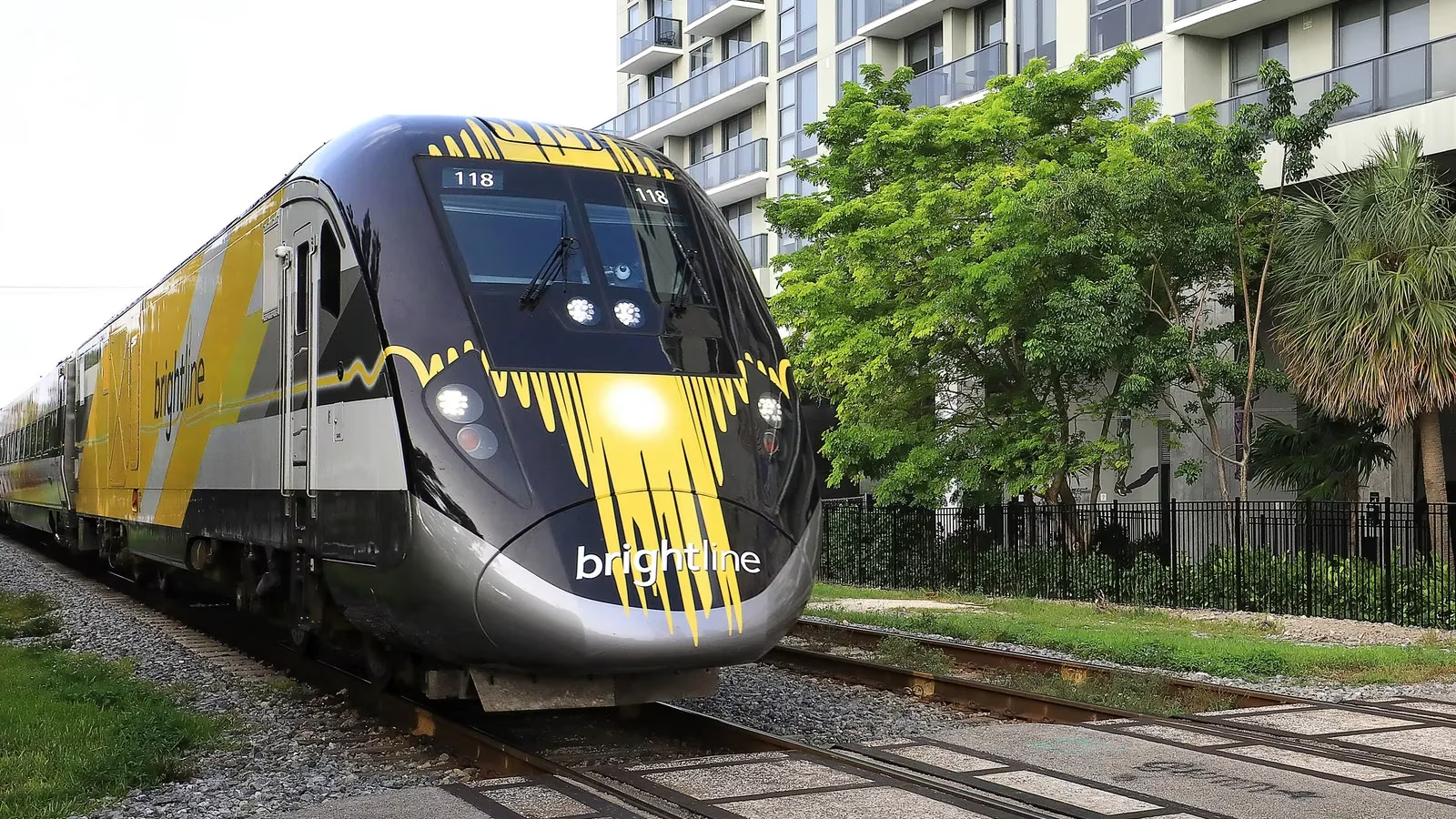
The basic facts are stark enough on their own:
| Detail | What was reported |
|---|---|
| Location | East Atlantic Avenue tracks near Railroad Avenue, Delray Beach, Florida |
| Time | About 10:45 a.m. on a Saturday |
| Vehicles | Delray Beach firetruck and Brightline high-speed passenger train |
| Injuries | 15 total: 12 passengers with minor injuries, 3 firefighters stable |
| Key sequence | Firetruck waited for a freight train, then went around lowered crossing arms |
| Aftermath | Firetruck split in half; FRA, Delray Beach Police Department, and NTSB involved or gathering information |
What gets me is the witness account. Emmanuel Amaral was eating breakfast several blocks away when he heard what he called an explosive crash. He raced to the scene on his golf cart and saw firefighters climbing out of the damaged front window of the firetruck while pulling three injured comrades to safety. Think about that image for a second. The people who were supposed to rescue others had to rescue each other. The crash happened near a busy shopping and dining district, and many people were out enjoying post-Christmas sales and breakfast when they heard the impact. Witnesses said the firetruck was mangled beyond words, and they were shocked that the firefighters survived. 😳
So what went wrong? I don't have the final investigation, and I won't pretend I do. Authorities indicated the firetruck was responding to an emergency call when it tried to cross the tracks, apparently thinking it had the all clear after the freight train passed. Video footage shows the firetruck passing cars with lights and sirens on before crossing the double tracks. The train's dashcam shows the Brightline train racing down the tracks while the freight train on its right side headed in the opposite direction. Moments later, the firetruck crosses slowly, and the train smashes into the back half of the emergency vehicle.
Have you ever waited at a railroad crossing, watched one train pass, and assumed the track was clear? I have. That assumption is exactly the trap. Double tracks are not a single story. One train can hide another. A freight train moving in one direction can mask a fast passenger train coming from the other. Crossing arms are not suggestions, and a lowered gate is not a challenge. But when you are in an emergency vehicle, with adrenaline pumping and someone else's life on the line, the pressure to move can be enormous. That is precisely why protocols matter. 🚨
Brightline's safety reputation is part of the larger conversation. According to reports, approximately 100 people have died from injuries sustained during Brightline high-speed passenger train accidents since the service began running in July 2017, giving it the label of the rail service with the worst death rate in the nation. That statistic is not a talking point to me. It is a body count. Does that mean Brightline is inherently unsafe? I don't think the story is that simple. It means crossings, human behavior, emergency protocols, train frequency, and public education all deserve scrutiny. A high-speed train is only as safe as the weakest link around it.
From my 2026 perspective, I want final reports, not rumors. The source material says the Federal Railroad Administration and the Delray Beach Police Department were actively investigating the cause of the collision and gathering witness testimony. The National Transportation Safety Board was gathering information as well but was unsure whether it would join the investigation, partly because two similar Brightline crashes earlier that year had killed three people and were already under active NTSB investigation. I am still waiting for clear answers. ⚠️
Here is what I take away from this crash:
-
🚧 Treat every lowered crossing gate as an absolute stop. No exceptions, no workarounds.
-
🚆 Expect a second train. One train passing does not mean the tracks are clear.
-
🧯 Emergency crews need explicit rail-crossing protocols and dispatch coordination.
-
🛠️ Engineering matters: quad gates, medians, longer warning times, and clear sightlines can save lives.
-
📚 Public education has to be constant, not a one-time campaign.
-
📊 Data transparency matters. Investigators, rail operators, and local agencies should share findings clearly.
Would I drive around a lowered gate to save thirty seconds? No. Would I want my local fire department to have a rail-crossing checklist and a dispatcher who can warn the railroad? Absolutely. The image I can't shake is not just the mangled truck. It is the firefighters climbing out and pulling their own to safety. They were responding to someone else's emergency and became the emergency. That is why this story still matters to me. 🚑
Comments